

Everyone told me to do Kyoto first. “Kyoto is Japan,” they said. “Osaka is just food.” I am here to tell you that whoever said this has clearly never stood at the top of Osaka Castle at golden hour with takoyaki in one hand and a cold can of Boss coffee in the other, watching a city that runs on noise and neon and absolute joy spread out in every direction below them. I went to Osaka on about ₹50,000 total — flights included, for seven nights — and I came back thinking it might be the most underrated city in Asia.
Why Osaka, Why Right Now
The 2026 World Expo left the city transformed in ways you can actually feel on the street. The Kansai region has new infrastructure, upgraded transport, and an energy that feels like a city that just hosted something massive and decided to keep the momentum going. Japan as a whole is the world’s number one trending destination heading into 2026. Tokyo gets most of the attention. Kyoto gets the temples. Osaka keeps getting dismissed as a layover city. That is a mistake I will not be making again, and after reading this, neither will you.
The First Night: Dotonbori
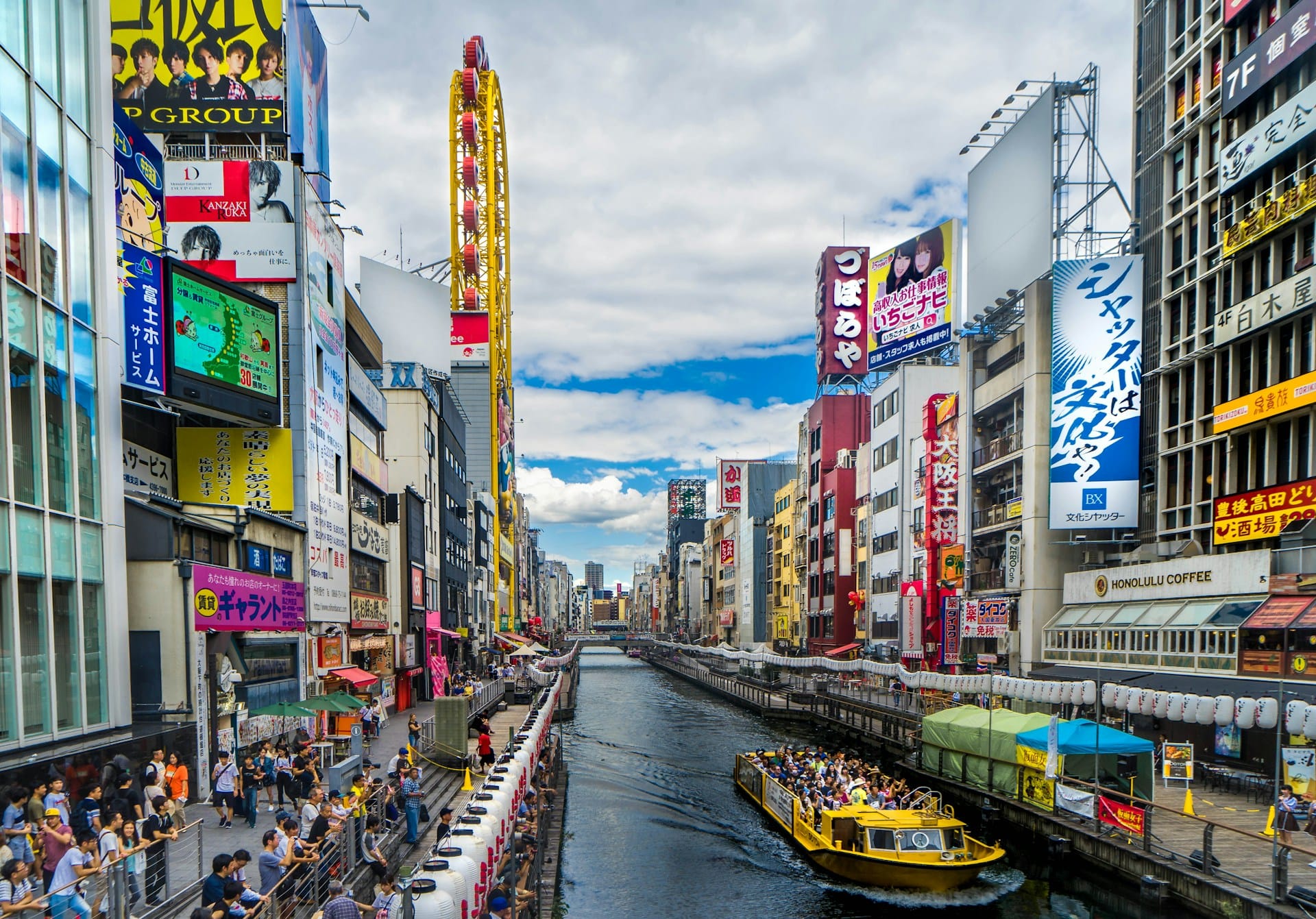
My flight landed at Kansai International Airport at 3 PM. By 7 PM I was walking the length of Dotonbori — Osaka’s famous neon canal street — with absolutely no idea what to eat first. The giant mechanical crab rotating above one of the restaurants is exactly as ridiculous as it sounds. The smell from the takoyaki stalls hits you before you see them. Somewhere off to the right, someone is singing karaoke with the windows open. I stopped at a tiny six-seat counter restaurant with a hand-written menu I could not read, pointed at what the man next to me was having, and waited. Six wagyu beef skewers arrived, charred perfectly, served with a small dish of tare sauce and a bowl of rice. A medium Sapporo on the side. Total: ¥1,200. That is roughly ₹640 for one of the finest meals of my life.
I went back to that same restaurant three more times over the week. On my last evening, the chef recognised me, gave a small bow, and brought out one extra skewer — his recommendation, completely unprompted. I did not ask what it was. I just ate it. It was extraordinary.
Osaka Castle and the Morning That Followed
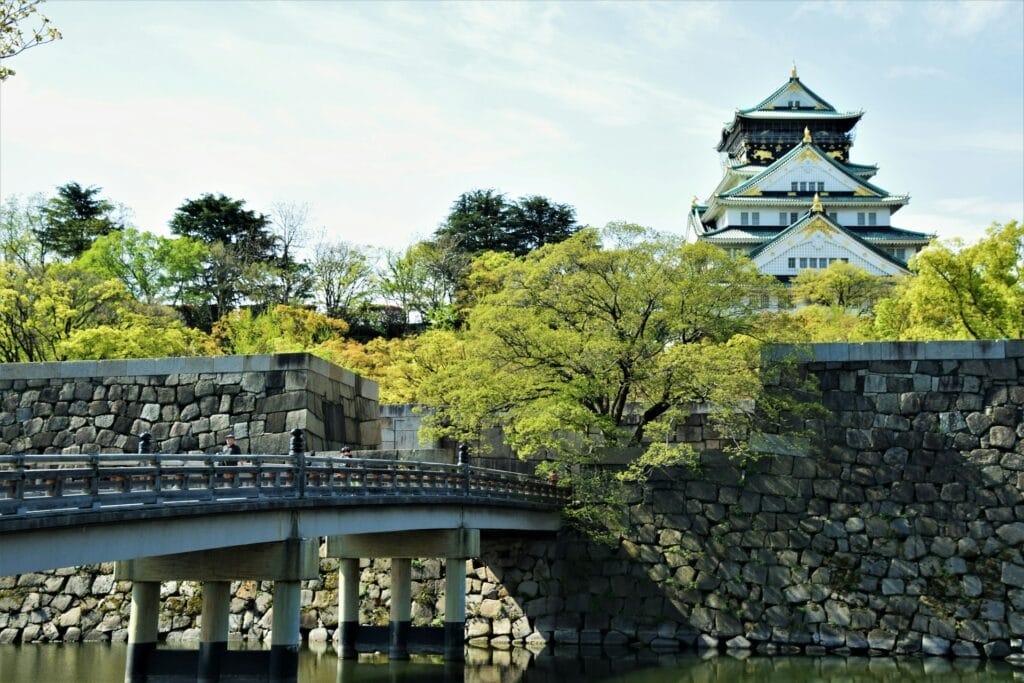
I gave my second morning to Osaka Castle, and I mean the whole morning — not the 45-minute tourist sweep. The castle and its surrounding park are genuinely beautiful. Locals jog, picnic, and practise tai chi on the vast grounds. The interior museum explains the Sengoku period battles connected to the castle without dumbing anything down, and the view from the top floor — modern glass skyscrapers rising directly behind a 16th-century keep — is the single image that sums up Japan better than any photograph I have ever seen.
Around the castle, I wandered into the Tamatsukuri neighbourhood for the afternoon. Covered shopping arcades, family-run ramen shops, a sento public bath if you are feeling brave. I attempted two words of Japanese at a noodle shop. The owner attempted four words of English. We both gave up, he pointed at the best option on the menu, and I ate it. This is how most of my Osaka conversations went and I would not change a single one.
TeamLab: Art You Stand Inside
One of the biggest Japan travel trends for 2026 is experiential and digital art, and Osaka is fully leaning into this. I booked a TeamLab installation — you must book ahead, these sell out weeks in advance — and spent two hours walking through rooms where the walls, floors, and ceilings dissolved into moving oceans, flowering forests, and geometric light patterns that responded to wherever I stood. It sounds gimmicky when you describe it. In person, it is one of the most purely beautiful things I have ever walked through. I stood in a room that looked like the inside of a galaxy and felt completely calm for the first time in months.
The Nara Day Trip
From Osaka, Nara is 45 minutes by train and costs almost nothing. Nara has free-roaming deer — actual wild deer — that wander around the temple grounds like they have worked there for a thousand years, which essentially they have. They bow their heads when you hold out a shika senbei cracker. They are bold, slightly pushy, occasionally try to eat your bag, and completely wonderful. Todai-ji Temple, which houses a 15-metre bronze Buddha inside the world’s largest wooden building, is right there. I went on a Tuesday morning, arrived before the tour groups, and spent an hour in near-silence with deer around my feet and mist lifting off the forested hills behind the temple. One of the better hours I have spent anywhere on this earth.
The Food That Will Rearrange Your Priorities
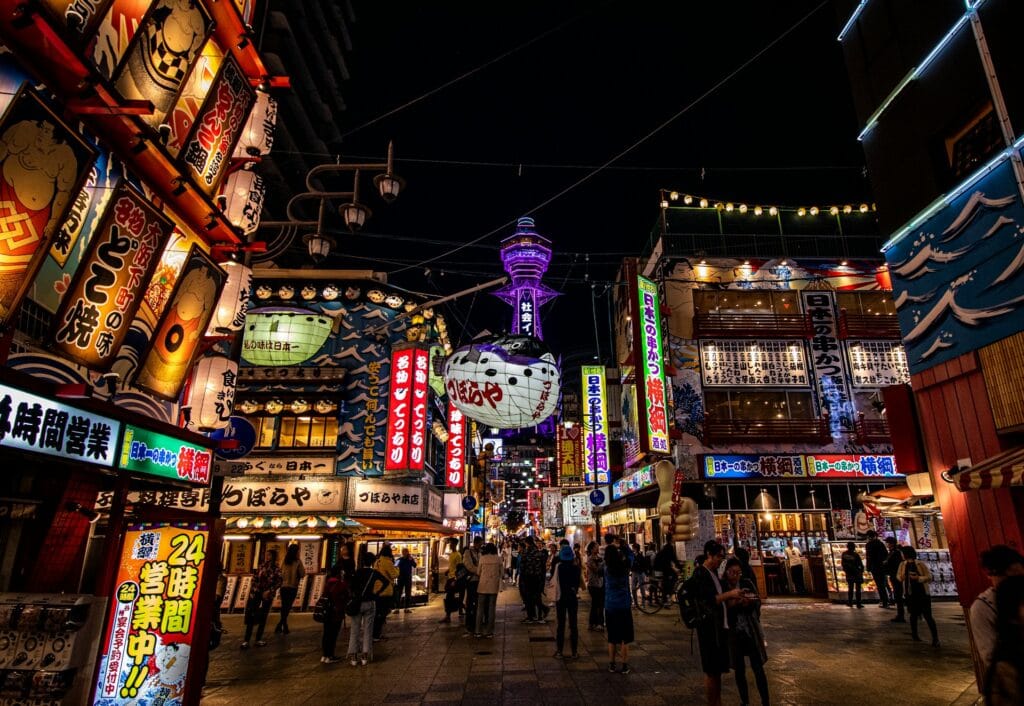
Osaka’s civic motto is kuidaore — eat until you drop. I treated this as a personal mission statement. In seven days I ate takoyaki, okonomiyaki, kushikatsu skewers of everything imaginable, a bowl of tonkotsu ramen at midnight from a standing counter next to a salary man in a full suit who was on his phone the entire time, and the finest bowl of udon I have ever had in my life, from a restaurant that seated eight people and had a queue outside the door at 11 AM on a Wednesday. Osaka food is not pretentious. It is not designed to be photographed. It is designed to be eaten fast and hot and with great enthusiasm, and then eaten again.
The Full Budget Breakdown
Round-trip economy flights from Delhi to Kansai International, booked about seven weeks in advance, came to around ₹28,000 to ₹33,000 depending on the connection. I stayed at a capsule hotel in the Namba area for ¥3,500 per night — roughly ₹1,900 — which sounds uncomfortable but was genuinely excellent. Quiet, clean, private locker, and right in the middle of everything. Food for seven days, eating a mix of street food, convenience store meals, and sit-down restaurants, came to around ₹4,500 to ₹5,500. Local transport on the Osaka Metro day passes plus the train to Nara was about ₹3,500 total. Entry to Osaka Castle, TeamLab, and Todai-ji added another ₹2,500 to ₹3,000. Grand total for seven nights including flights from Delhi: somewhere between ₹51,000 and ₹57,000.
Practical Notes for Indian Travellers
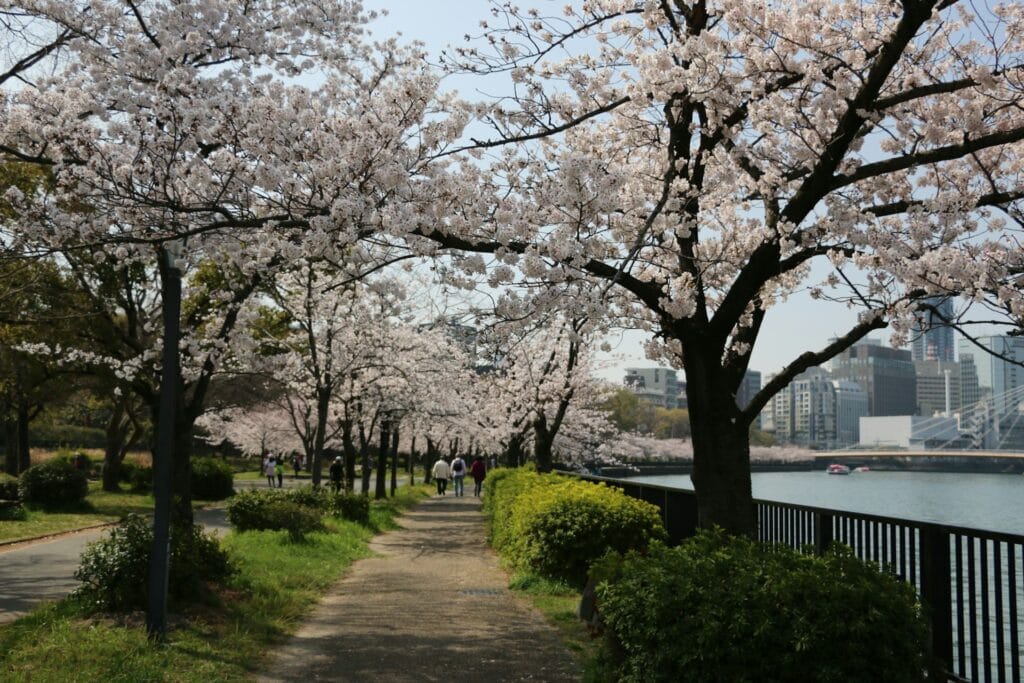
Get an ICOCA card at Kansai Airport the moment you land. It works on all trains, the metro, and most convenience stores and removes every payment headache from your trip. Do not underestimate Japanese convenience stores — the onigiri, hot buns, and katsu sandwiches at 7-Eleven and FamilyMart are genuinely good, cheap meals and you should eat there without any guilt. Book TeamLab tickets at least two weeks before you travel because they sell out regularly and there is no walk-in option worth relying on. For the Nara day trip, take the Kintetsu Nara Line from Osaka Namba station rather than JR — it is slightly faster and cheaper. Download Google Translate with the Japanese offline pack before you fly because the camera scan feature reads menus in real time and will change your life. The Japan eVisa is now available for Indian passport holders, apply online and allow five to seven working days. Best months to visit are March to April for cherry blossoms and October to November for cooler weather and thinner crowds.
The Thing Nobody Tells You
Everyone warns you about Tokyo — the scale, the pace, the overwhelming density of everything. Nobody warns you that Osaka is warmer. Not in temperature, but in character. Osakans are famously the most outgoing people in Japan. Strangers made eye contact and smiled. A man in his seventies stopped me near the castle, asked where I was from, said “India! Bollywood! Very good!” and gave a small bow before walking away cheerfully. These small moments are easier to find here than in Tokyo, which is not a criticism of Tokyo but simply a note that cities have personalities, and Osaka’s is genuinely, disarmingly kind.
I came to Japan thinking Kyoto was the real destination and Osaka was just logistics. Seven days later I understood that Osaka is the city where Japan stops performing for tourists and simply lives. Go for the food. Stay for everything else.

