


Last Updated: October 2025 | 12-Minute Read
There’s a moment every rider knows—when you crest a mountain pass, kill the engine, and hear nothing but wind and your own heartbeat. That’s when you remember why you ride.
Over three years and 25,000 miles, we’ve discovered that the best motorcycle routes in America aren’t just about beautiful roads. They’re about the experiences that make you feel truly alive.
In this guide, discover the top 6 motorcycle routes in America to ride—six epic road trips that deliver unforgettable moments, from coastal cruises to mountain conquests. We’re sharing real experiences, practical tips, and honest advice to help you plan your next adventure.
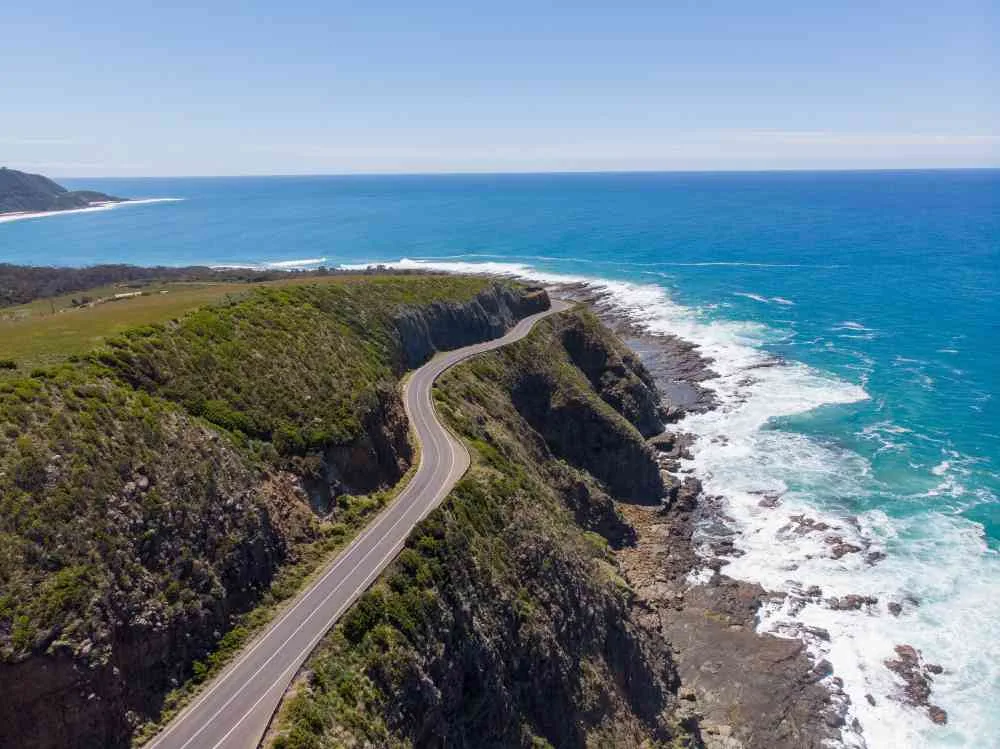
1. Pacific Coast Highway: California’s Legendary Coastal Cruise
Distance: 650 miles | Time: 3-5 days | Difficulty: Beginner-Friendly | Best Season: May-October
Why It’s Legendary
The Pacific Coast Highway consistently ranks as America’s #1 scenic motorcycle route. When fog lifted past Bixby Bridge and revealed the entire Big Sur coastline, we understood why.
This 650-mile journey from San Francisco to San Diego delivers:
- 90 miles of Big Sur magic – Cliffside roads with ocean views
- Perfect riding weather – Coastal California at its finest
- Iconic stops – Hearst Castle, elephant seal colonies, McWay Falls
- Biker-friendly towns – Monterey, Cambria, Santa Barbara
The Route Breakdown
Day 1: San Francisco to Monterey (120 miles) Start early, grab breakfast in Half Moon Bay, arrive by afternoon to explore Cannery Row.
Day 2: Monterey to Cambria via Big Sur (130 miles) This is THE day. Fill your tank in Carmel—no gas for 70 miles. Stop at Bixby Bridge, Nepenthe for lunch with a view, and McWay Falls. Budget 5 hours for this section.
Day 3: Cambria to Santa Barbara (150 miles) Visit Hearst Castle (book ahead), cruise through Morro Bay and Pismo Beach.
Day 4: Santa Barbara to San Diego (250 miles) Final push down the coast, arriving in time for fish tacos in San Diego.
Essential Tips
Gas Strategy: The Big Sur gap is real. We coasted into Cambria on fumes once—don’t make our mistake. Fill in Carmel, top off in Cambria.
Accommodation:
- Monterey: Big Sur Lodge ($180-220, ocean views)
- Cambria: Bluebird Inn ($120-150, biker-friendly)
- Santa Barbara: Budget motels from $90
Wind Warning: Gusts can push lighter bikes around. We saw a Sportster nearly blow into oncoming traffic. When advisories are posted, take them seriously.
Best Time to Ride: Tuesday-Thursday in May or September. Summer weekends = RV traffic.
Gear: Layer up! Looks sunny but rides cold. Mesh jacket with thermal liner is perfect.
Budget
$645-890 per person for 3 days
- Accommodations: $360-480
- Gas: $75-90
- Food: $180-270
- Misc: $30-50
Pro Tip
Arrive at Bixby Bridge before 8 AM for photos without crowds. The small south-side pullout fills fast.
2. Tail of the Dragon: 318 Curves in 11 Miles
Distance: 11 miles | Time: Multiple passes over 1-3 days | Difficulty: Advanced | Best Season: April-May, September-October
The Beast of Deal’s Gap
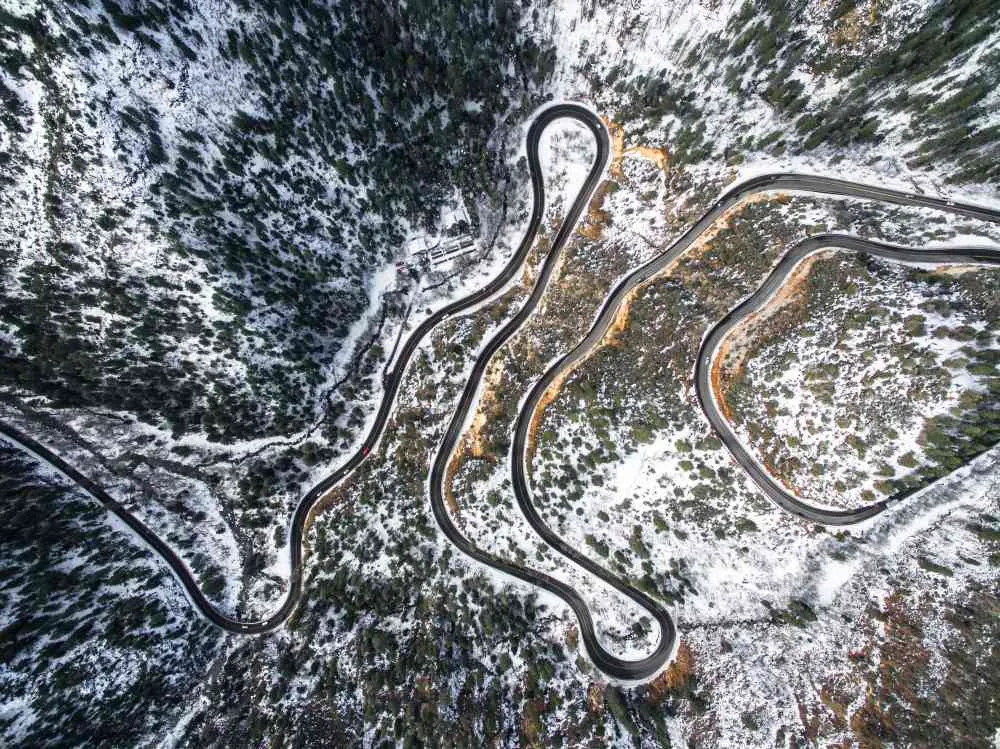
Eleven miles. 318 curves. Zero intersections. The Tail of the Dragon on the Tennessee-North Carolina border is America’s most famous technical motorcycle road.
By curve 200, our forearms were screaming. By the end, we understood why this road has its own photographer industry and a tree decorated with crashed bike parts.
Why Riders Chase the Dragon
This isn’t about scenery (you’ll see mostly trees). It’s about:
- Pure technical riding – Constant cornering challenges
- Famous corners – Copperhead Corner, Wheelie Hell, Brake or Bust
- Rider culture – The Tree of Shame, photographer stops, evening storytelling
- Personal growth – You’ll learn more about riding here than anywhere else
Your Dragon Strategy
First Pass (7-9 AM): Learn the road. Don’t try to keep pace with faster riders. Note the tough corners.
Second Pass (9-11 AM): Ride the opposite direction. Slightly increase pace where you’re comfortable.
Third Pass (After lunch): Your best run typically happens now. Focus on smooth lines, not speed.
Essential Information
Base: Deal’s Gap Resort ($85-120/night) – Ground zero for Dragon riders, or Iron Horse Lodge ($70-100) for quieter vibes.
Food: Deal’s Gap Restaurant ($12-18, huge portions), Crossroads Café in Robbinsville ($8-12, great breakfast burritos).
Gas: Fill in Robbinsville or Maryville before the Dragon. Zero services on the route.
Gear: Full leathers or quality textile suits are non-negotiable. The Tree of Shame tells you why.
Critical Safety Reality
2024 saw five fatal accidents on this 11-mile stretch. Common causes:
- Entering corners too hot
- Riding beyond skill level
- Target fixation
- Peer pressure to keep up
If you’re not confident in cornering, ride the nearby Cherohala Skyway instead. There’s zero shame in knowing your limits.
Budget
$435-605 per person for 3 days
- Accommodations: $225-300
- Gas: $30-45
- Food: $150-200
- Photos: $30-60 (optional)
Pro Tip
Ride at 7 AM Tuesday. By 10 AM Saturday, it’s a parking lot. Local police know every hiding spot—respect speed limits at both ends.
3. Blue Ridge Parkway: America’s Favorite Scenic Drive
Distance: 469 miles | Time: 3-5 days | Difficulty: Beginner-Friendly | Best Season: April-June or September-October
The Road That Changed Our Perspective
We planned two days for the Blue Ridge Parkway. We spent five. This 469-mile scenic motorcycle route through Virginia and North Carolina isn’t about destinations—it’s about being somewhere extraordinary.
Watching sunrise burn away fog at Waterrock Knob, coffee in hand, reminded us exactly why we ride.
Why It’s Perfect for Motorcycle Touring
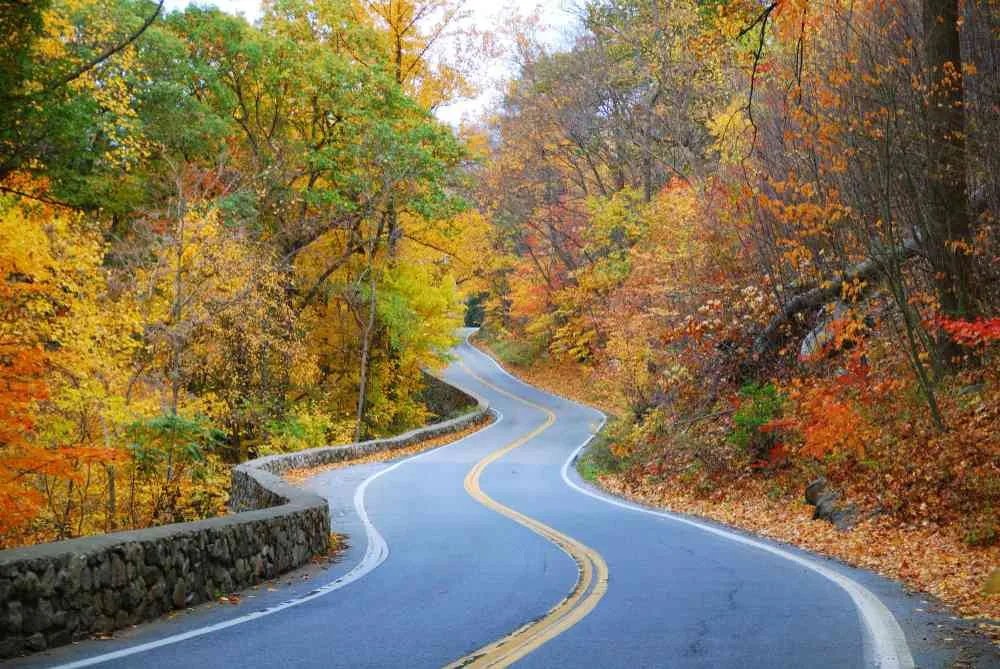
- Consistent beauty – Every mile delivers mountain vistas, forests, and wildflowers
- Perfect engineering – Curves match natural sight lines beautifully
- Frequent overlooks – Stop whenever you want (we hit 20% and felt satisfied)
- Beginner-friendly – 45 MPH max speed, gentle curves, excellent pavement
The Parkway forces you to slow down and be present. Initially we fought the pace. Then we saw deer, turkeys, and black bears we’d have missed at 65 MPH.
Can’t-Miss Highlights
Mabry Mill (MP 176) – Most photographed spot on the Parkway, working grist mill
Linn Cove Viaduct (MP 304) – Engineering marvel hugging Grandfather Mountain
Craggy Gardens (MP 364) – Purple rhododendron explosion in June
Waterrock Knob (MP 451) – 360-degree views, our favorite sunrise spot
Practical Planning
Daily Mileage: Plan 100-120 miles per day with stops. The 45 MPH limit and overlooks mean 30-40 MPH average.
Base Cities:
- Asheville, NC ($110-160/night) – Best food scene, motorcycle culture
- Boone, NC ($100-140/night) – College town vibe
- Roanoke, VA ($90-130/night) – Most affordable
Food: White Duck Taco Shop in Asheville ($3-4/taco, our nightly stop), Knife Edge Café ($8-12 cash-only breakfast).
Gas: Every 30-50 miles near exits. The Parkway itself has NO gas stations. Fill when you see them.
Gear: Elevation ranges 649-6,053 feet. We started in heated gear, stripped to mesh by afternoon. Rain gear is essential—afternoon thunderstorms are common.
Budget
$525-740 per person for 4 days
- Accommodations: $240-320
- Gas: $45-60
- Food: $240-360
- Park entry: Free
Pro Tip
Download offline maps—cell service is spotty. We use maps.me and the “Blue Ridge Parkway Travel Planner” app.
Winter Alert: Sections close November-March due to ice. Check nps.gov before planning spring/fall trips.
4. Beartooth Highway: Montana’s Alpine Masterpiece
Distance: 68 miles | Time: Full day to 2 days | Difficulty: Intermediate-Advanced | Best Season: Late June-September
Riding Above the Clouds
At 10,947 feet, we stood beside our bikes watching July snow melt while a marmot investigated our lunch. The air was thin. The views were infinite.
Charles Kuralt called the Beartooth Highway “the most beautiful drive in America.” After riding it, we can’t argue.
Why It’s Extraordinary
This 68-mile ride between Red Lodge, Montana and Cooke City delivers:
- Multiple climate zones – Forest to alpine tundra in one ride
- Spectacular switchbacks – Looking back from the top is dizzying
- Alpine plateau – Dozens of crystal lakes surrounded by peaks
- Wildlife – Marmots, pikas, mountain goats, bighorn sheep
- Raw scale – Big-mountain riding at its finest
The Temperature Reality
- Started in Red Lodge: 75°F
- Summit arrival: 45°F with 25 MPH winds
- What we wore: T-shirt, long-sleeve, heated vest, winter jacket—barely warm enough
Critical Gear:
- Heated grips (essential)
- Winter-liner gloves
- Layering for 30°F temperature swings
- Neck gaiter (seals helmet/jacket gap)
Essential Planning
Seasonal Access: Road closes October through late May. Typical opening is late May/early June. Check 511.mt.gov before going.
Base: Red Lodge—Pollard Hotel ($130-170, historic charm) or budget motels ($80-110).
Food: Carbon County Steakhouse ($18-30, excellent), Red Lodge Pizza ($12-18).
Gas: Fill completely in Red Lodge. Cooke City has gas but 20-30% higher prices. Zero services on the 68-mile route.
Supplies: Bring water (2+ liters/person), snacks, sunscreen, layers.
Altitude Reality Check
At 11,000 feet:
- You’ll feel lightheaded and breathless
- Bikes lose 15-20% power
- Dehydration happens fast
- Altitude sickness is possible
We felt it despite being in shape. Take breaks. Hydrate constantly. If symptoms worsen, descend immediately.
Weather Warning
Afternoon thunderstorms are common and dangerous above treeline. Lightning at 11,000 feet with no shelter is life-threatening.
Our Rule: Summit by 11 AM, descend by 2 PM.
Budget
$255-355 per person for 2 days
- Accommodations: $130-170
- Gas: $25-35
- Food: $80-120
- Misc: $20-30
Pro Tip
Ride weekdays in late June or early September. July-August weekends = RV traffic. We got stuck behind a 40-footer for 8 miles once.
5. Going-to-the-Sun Road: Glacier National Park’s Crown Jewel
Distance: 50 miles | Time: 3-5 hours with stops | Difficulty: Advanced Intermediate | Best Season: Mid-July through mid-September
Threading the Needle Through the Rockies
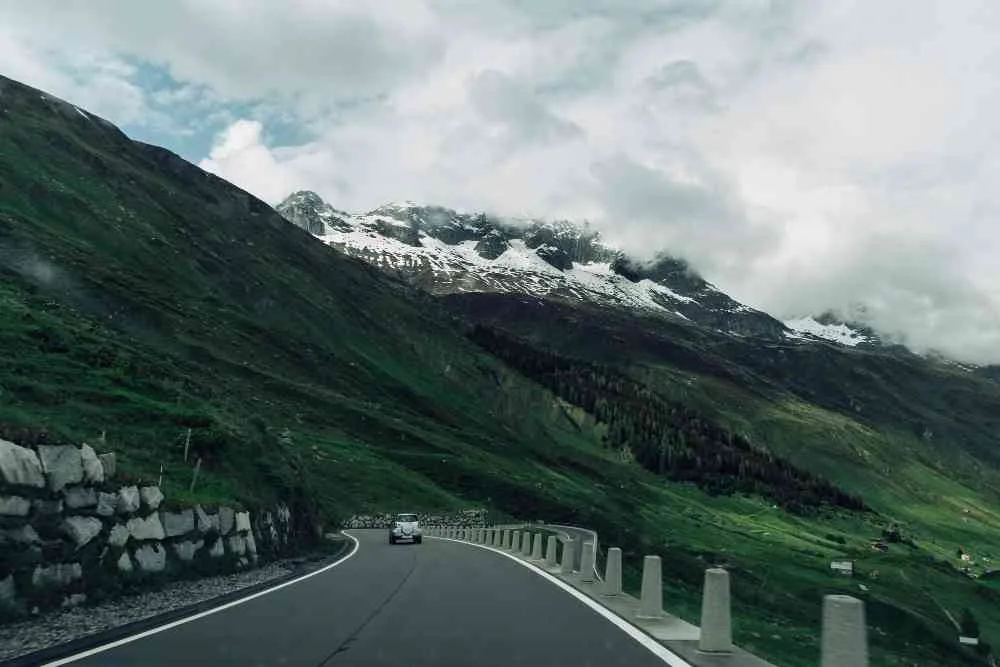
Nothing prepared us for navigating a 20-foot-wide road carved into a cliff with zero guardrails and 1,000-foot drops to our right.
Going-to-the-Sun Road through Glacier National Park isn’t just a ride—it’s a pilgrimage through some of North America’s most stunning landscape.
What Makes It Legendary
- Engineering marvel – 11 years to build (1921-1932), carved from cliffsides
- The Garden Wall – Miles of cliff-side riding that tests your nerve
- Continental Divide – Cross at Logan Pass (6,646 feet)
- Wildlife abundance – Mountain goats within feet, bighorn sheep, grizzlies
- Glacial landscape – Waterfalls, turquoise lakes, U-shaped valleys
Critical Access Information
Seasonal Opening: Mid-July through mid-September typically. Can be late June in low-snow years, late July in heavy-snow years. Closed 8-9 months annually.
Size Restriction: Motorcycles with mirrors/bags wider than 8 feet are prohibited. Measure yours—it’s enforced.
Check Before Going:
- nps.gov/glac
- Road status: (406) 888-7800
- @GlacierNPS on Twitter for real-time updates
The Route Experience
West Glacier to Logan Pass (32 miles):
- Gradual climb through forest
- Lake McDonald (stunning glacial lake)
- Loop Tunnel through rock
- The Garden Wall (exposed cliff section—breathtaking and terrifying)
- Logan Pass summit
Logan Pass to St. Mary (18 miles):
- Descent on east side
- Jackson Glacier Overlook
- Wild Goose Island photo op
- St. Mary Lake approach
Essential Planning
Timing: Leave hotel at 5:30 AM. Had Logan Pass nearly empty at 7 AM. By 10 AM, parking was full and cars lined the road.
Motorcycle Advantage: Could still park when cars couldn’t.
Base:
- West Glacier: Glacier Outdoor Center ($140-180) or Apgar Village Lodge ($160-200)
- St. Mary: St. Mary Lodge ($160-220)
- Book 6-12 months ahead—Glacier is wildly popular
Park Fee: $35/motorcycle (7-day pass)
Gas: Fill in West Glacier or St. Mary. No fuel in park.
Gear: Weather changes instantly. We experienced sunshine, rain, hail, and snow flurries in three hours. Full rain gear mandatory.
Safety Reality
This road is dangerous. Narrow pavement, cliff exposure, tourist drivers stopping randomly, and unpredictable weather create genuine risk.
We saw three accidents during our week there.
Ride defensively:
- Assume every car will do something stupid
- Don’t let scenery distract from road
- Altitude affects bike performance above 6,000 feet
Budget
$480-680 per person for 3 days
- Accommodations: $320-440
- Gas: $30-45
- Food: $150-225
- Park entry: $35
Pro Tip
Drone use is prohibited in national parks—don’t even think about it. Helmet cams work great. The tunnel west of Logan Pass with light streaming through is cinematically perfect.
6. Million Dollar Highway: Colorado’s Vertical Thrill
Distance: 70 miles (25 miles most dramatic) | Time: Full day | Difficulty: Advanced | Best Season: June-September
White Knuckles and Red Rocks
“Did you look over the edge?” locals asked. We hadn’t—we were too busy keeping our bikes on the 20-foot-wide shelf clinging to a mountain with 1,500-foot drops and zero guardrails.
The Million Dollar Highway (US Route 550) between Ouray and Silverton, Colorado earned its name from either construction costs or the views. After riding it, we think it’s both.
Why It’s Legendary
Serious mountain riding through Colorado’s San Juan Mountains:
- Steep grades (up to 6%)
- Tight switchbacks
- Cliff exposure with no guardrails
- 10,910 feet at Red Mountain Pass
- Relentlessly dramatic scenery
The unguarded cliff sections feel genuinely dangerous—because they are.
The Route
Ouray to Silverton (25 miles – the dramatic section):
- Climb aggressively from Ouray (“Switzerland of America”)
- Navigate spectacular switchbacks
- Crest Red Mountain Pass (10,910 feet)
- Descend into historic mining town of Silverton
Silverton to Durango (45 miles):
- Continued mountain riding
- Less exposure than northern section
- Beautiful but less intense
Essential Information
Base:
- Ouray: Ouray Riverside Inn ($130-160, motorcycle parking)
- Durango: More amenities, $110-140/night
Food:
- Ouray: Maggie’s Kitchen ($8-14 huge breakfasts), Outlaw Steakhouse ($18-28)
- Silverton: Handlebars Restaurant ($12-20, biker-friendly)
Gas: Available in Ouray, Silverton, Durango. Fill in Ouray before ascending.
Gear: Elevation = cold temps even in summer. We rode in July and needed heated gear at Red Mountain Pass in morning. By afternoon in Durango, we’d stripped to mesh.
Direction Matters
South to north (Durango to Ouray): Cliff drops on opposite side, away from you. Less psychologically challenging.
North to south (Ouray to Durango): Exposure on your side. More challenging but better views. We chose this direction.
Why No Guardrails?
In winter, plows push snow over the edge. Guardrails would create snow drifts. Don’t think about that while riding.
Safety Warning
This is not a beginner route. Combination of altitude, grades, switchbacks, and exposure is genuinely challenging.
We’re confident riders and felt stressed.
Afternoon thunderstorms with hail are common in Colorado mountains during summer. We got caught in one—terrifying. Check forecasts, start early, be off mountain by 2 PM.
Budget
$380-540 per person for 2 days
- Accommodations: $130-160
- Gas: $30-45
- Food: $100-160
- Misc: $20-30
Pro Tip
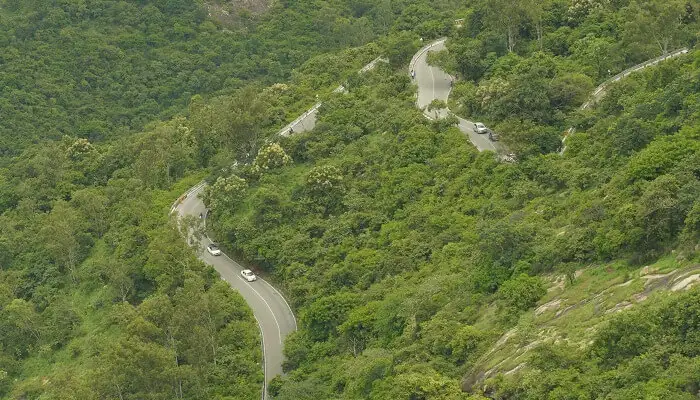
The switchbacks climbing from Silverton offer spectacular filming opportunities. Set up camera and film yourself carving multiple turns.
Essential Planning Guide for Your Motorcycle Road Trip
What You Need to Know Before You Go
Daily Mileage Recommendations
Beginners: 150-200 miles max. More becomes exhausting and unsafe.
Experienced: 250-350 miles comfortably. We average 280 on long trips.
Aggressive: 400+ possible but not enjoyable. You’re covering distance, not experiencing the ride.
Route Planning Tools
We use:
- Google Maps (overview planning)
- Scenic app (motorcycle-specific routes)
- Maps.me (offline capability)
- Paper maps (backup for remote areas)
Critical: Download offline maps for mountain routes with poor cell coverage.
Pre-Trip Maintenance Checklist
✓ Oil change within 500 miles ✓ Check/adjust chain tension ✓ Inspect tire tread and pressure ✓ Test all lights and signals ✓ Check brake pads and fluid ✓ Verify coolant level ✓ Inspect cables ✓ Pack basic tools and tire repair kit
Booking Accommodations
Peak season (summer): Book 2-4 weeks ahead in popular areas
Shoulder season (spring/fall): More flexibility, we’ve booked same-day
Always: Call directly, mention you’re on motorcycle—some offer dedicated parking
Budget Breakdown (Per Person, Per Day)
Budget Touring: $80-120/day
- Motels: $30-45 (split)
- Food: $40-55
- Gas: $17-21
Mid-Range: $120-180/day
- Hotels: $50-70 (split)
- Food: $60-85
- Gas: $17-21
Comfortable: $180-250/day
- Nice hotels: $80-110 (split)
- Better meals: $80-110
- Gas: $17-21
Week-long trip: Budget $850-1,750 depending on comfort level
Essential Gear Investment
Protective Equipment:
- Quality jacket with armor: $300-500
- Riding pants with protection: $200-350
- Boots with ankle support: $150-250
- Gloves with knuckle protection: $80-150
- Rain gear (jacket/pants): $100-200
Camera/Vlogging:
- GoPro or similar: $350-450
- Wireless microphone: $150-250
- Portable charger (20,000mAh): $30-50
Total investment: $1,500-2,500 for complete setup
One accident without proper gear costs far more in medical bills.
Safety & Regulations
License: Your home state motorcycle endorsement works in all 50 states.
Insurance: Verify out-of-state coverage. We carry $250,000/$500,000 liability.
Roadside Assistance: Consider AMA membership ($49/year). Saved us twice.
Emergency Contacts: Program before riding:
- Roadside assistance number
- 911 (works everywhere)
- Hotel contact info
- Emergency contact who knows your route
Weather Apps:
- Weather Underground (hyperlocal forecasts)
- Windy (wind speed predictions—critical for exposed routes)
- Mountain Forecast (for passes)
- National Weather Service alerts
Check weather twice daily: morning before departure, early afternoon.
Best Times to Ride American Routes
Spring (April-May):
- Pros: Moderate temps, spring blooms, fewer crowds, lower prices
- Cons: Unpredictable weather, high routes still closed
- Best for: Blue Ridge, Pacific Coast, southern routes
Summer (June-August):
- Pros: All routes open, long daylight, consistent weather
- Cons: Peak crowds, highest prices, extreme desert heat, mountain thunderstorms
- Best for: Montana routes, Colorado, high-elevation riding
Fall (September-October):
- Pros: Spectacular colors, moderate temps, reduced crowds
- Cons: Shorter days, routes close by late October, cold snaps
- Best for: Blue Ridge (peak colors), Tail of Dragon
- Our favorite season for motorcycle touring
Winter (November-March):
- Pros: Empty roads, cheapest prices
- Cons: Most mountain routes closed, cold, limited daylight, ice/snow
- Best for: Southern routes only
Our Recommendation: Plan major trips for May-June or September-October. Best weather, fewer crowds, reasonable prices.
Why These Routes Changed How We Ride
We started thinking motorcycle touring was about destinations—getting somewhere interesting on two wheels.
We were wrong.
These six epic motorcycle routes taught us that the ride itself is the destination. And in this guide, discover the top 6 motorcycle routes in America to ride, each offering experiences that will stay with you long after the engine is off.
The moments that matter:
- Standing at 11,000 feet on Beartooth, breathing thin mountain air
- Meeting another couple on Blue Ridge celebrating their 30th anniversary ride
- Sunrise over the Pacific we almost missed because we wanted to sleep in
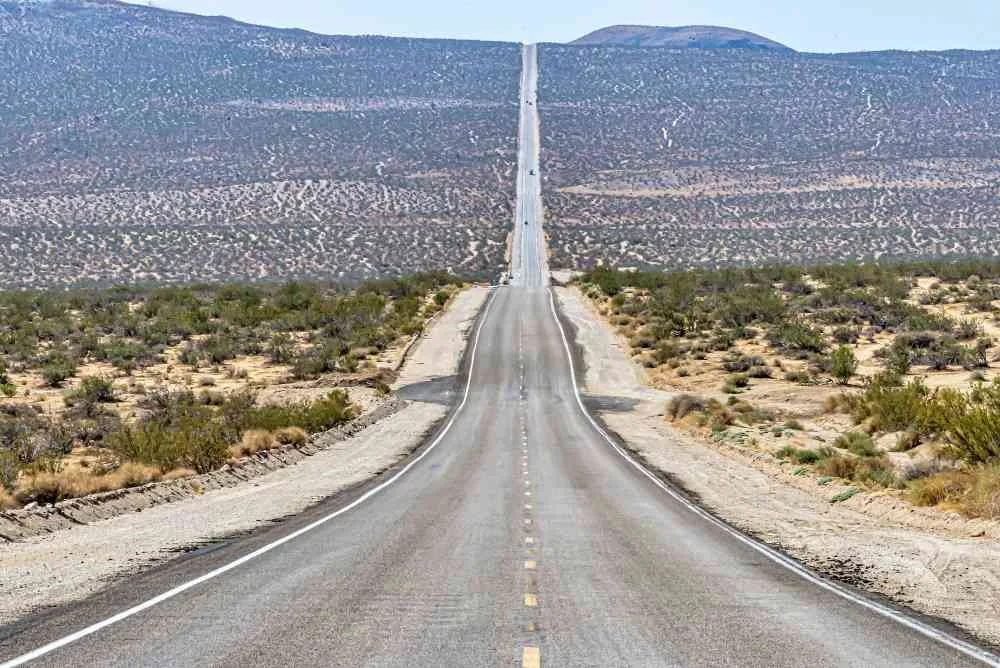
- Complete silence on a Nevada highway that made us understand why people seek solitude
The best motorcycle routes in America offer something cars can’t: complete immersion. You’re in the weather, feeling every curve, smelling the pine forests and ocean spray. When it rains, you get wet. When it’s cold, you’re cold. When it’s perfect, you’re fully present in that perfection.
Start Planning Your Adventure
You don’t need expensive bikes or years of experience. You need:
- A reliable motorcycle in good condition
- Proper safety gear that fits
- Willingness to be uncomfortable sometimes
- Respect for your limitations and the road’s challenges
- An open mind for unexpected experiences
Pick one route—the one that calls to you:
- Coastal views? Pacific Coast Highway
- Technical challenge? Tail of the Dragon
- Gentle beauty? Blue Ridge Parkway
- Mountain drama? Beartooth or Going-to-the-Sun
- Edge-of-your-seat? Million Dollar Highway
Give yourself enough time. Rushing these motorcycle road trips misses the point. Book accommodations but leave room for spontaneity. Our best experiences happened when plans changed.
These routes are waiting. They’ve been there for decades. And if you follow this guide to discover the top 6 motorcycle routes in America to ride, you’ll understand why every riding season is a gift.
We’re already mapping our next trip. Where will these epic motorcycle routes take you?
Your Turn: Share Your Experience
Have you ridden any of these routes? Which one is calling to you? Drop a comment below with your stories, questions, or favorite motorcycle destinations. The riding community thrives on shared experiences.
Save this guide for your trip planning and share it with fellow riders planning their next adventure. These roads are too good to keep to yourself.
Ride safe, ride often, and remember: the best motorcycle routes are the ones you’re actually on.
Frequently Asked Questions
Q: What’s the best motorcycle route for beginners? A: The Blue Ridge Parkway is perfect for beginners. The 45 MPH speed limit, gentle curves, and frequent overlooks make it ideal for building confidence.
Q: When is the best time to ride these routes? A: May-June or September-October offer the best combination of weather, fewer crowds, and reasonable prices. Fall brings spectacular colors on Blue Ridge and Dragon.
Q: How much should I budget for a week-long motorcycle trip? A: Plan $850-1,750 per person depending on comfort level. This includes accommodations, food, gas, and park fees.
Q: Do I need special insurance for cross-state motorcycle trips? A: Your regular motorcycle insurance typically covers out-of-state riding, but verify with your provider. Consider adding roadside assistance coverage.
Q: What’s the most challenging route on this list? A: The Tail of the Dragon for technical riding skills, or the Million Dollar Highway for nerve-testing exposure. Both are advanced routes.
Q: Can I ride these routes on a cruiser? A: Absolutely! We’ve seen every type of bike on these routes. Skill matters more than bike type. Cruisers excel on Pacific Coast and Blue Ridge.
About RoamTraveller
We’re riders who believe the journey matters more than the destination. Over 25,000 miles on America’s best roads have taught us what works, what doesn’t, and what makes a motorcycle trip truly unforgettable. We share real experiences, honest advice, and practical tips to help you plan epic adventures on two wheels.
Ride safe. Explore more. Live fully.

