


We just returned from Bali, and honestly? We get the hype now. Before our trip, we kept asking ourselves: “Why is Bali so popular? Is it really worth all the Instagram posts and travel blogs?”
Spoiler alert: YES. And not for the reasons we expected.
Bali welcomed over 600,000 international visitors just in May 2025, and after spending two weeks exploring this Indonesian island paradise, we understand why. From clifftop temples at sunset to emerald rice terraces and affordable luxury, Bali delivers experiences you simply can’t find anywhere else.
Let us share what we discovered—the real reasons why Bali has captured the hearts of millions of travelers worldwide.
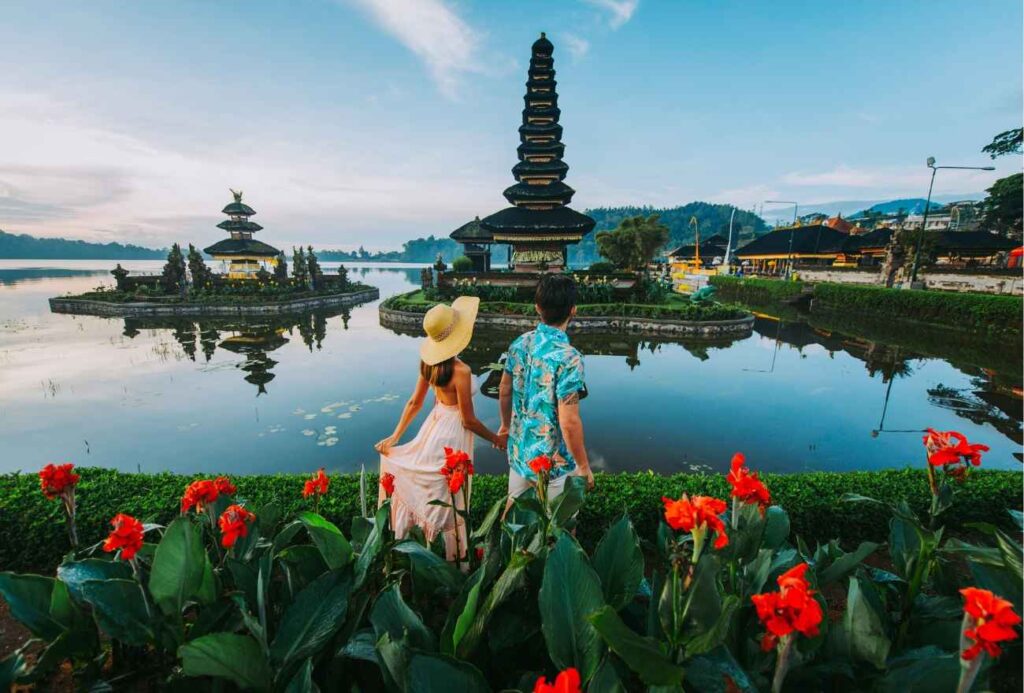
1. Ancient Temples That Take Your Breath Away
Uluwatu Temple: Our Sunset Moment
Picture this: You’re standing on a 70-meter cliff watching the sun dip into the Indian Ocean while 50 bare-chested men chant “cak-cak-cak” in perfect rhythm. That’s Uluwatu Temple at sunset, and it’s every bit as magical as it sounds.
We arrived around 4:30 PM (trust us, come early to beat the crowds). The temple entrance costs IDR 50,000 for adults and IDR 30,000 for children—about $3 USD. But the real show starts at 6:00 PM.
The Kecak Fire Dance is absolutely unmissable. Tickets are IDR 150,000 per person (separate from temple entry), and it’s worth every rupiah. We watched 70 men perform ancient Ramayana stories against the backdrop of a fiery sunset. The amphitheater perches right on the cliff edge—the views alone are worth the trip.
Pro tip from our experience: Those cheeky monkeys everyone warns you about? They’re real. One grabbed my sunglasses right off my face! Keep your belongings close and don’t wear loose accessories.
Tanah Lot: The Postcard Temple
We hit Tanah Lot the next evening and understood why it’s Bali’s most photographed spot. This temple sits on a massive rock formation surrounded by crashing waves. During low tide, you can walk right up to it.
The golden hour light (around 5:30 PM) transforms this place into pure magic. We grabbed dinner at one of the cliff-top restaurants afterward—fresh seafood with that view? Chef’s kiss.
Cost-saving tip: Entrance is around IDR 60,000 per person. Skip the overpriced parking lot food vendors and eat at the restaurants inside the complex—same prices but way better quality.
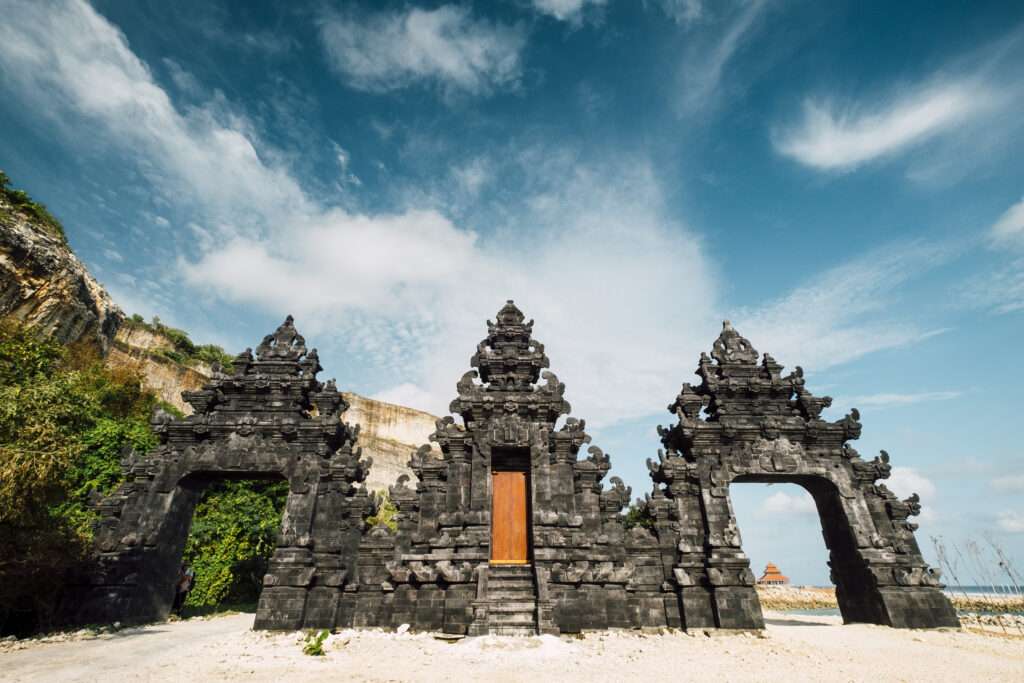
Tirta Empul: Our Spiritual Moment
This one surprised us. Tirta Empul isn’t just for photos—it’s a working temple where locals come for ritual purification. The natural spring water feeds these ancient pools, and yes, we participated in the purification ceremony.
You can join too! Rent a sarong at the entrance (required for all temples—ladies AND gents). Follow the locals through each fountain from left to right. The water’s cold, but the experience? Unforgettable. It felt genuinely spiritual, not touristy.
2. Rice Terraces That Look Fake (But Aren’t)
Tegallalang: Instagram’s favourite Spot
We’ll be honest—we rolled our eyes at all the Tegallalang rice terrace photos before visiting. “It can’t really look like that,” we thought.
Friends, it DOES.
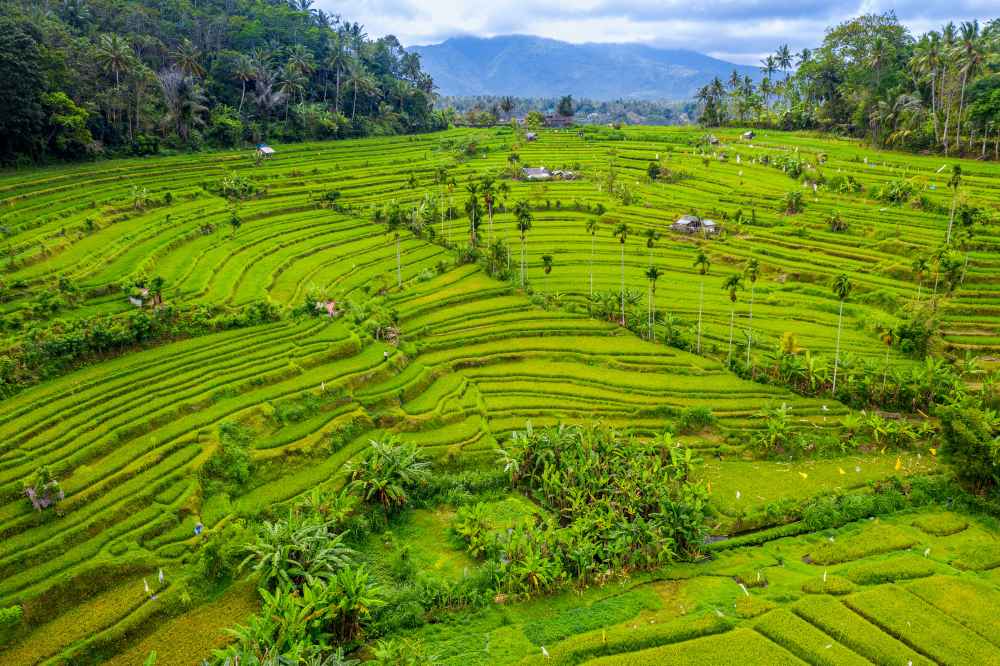
We arrived at 6:30 AM to avoid crowds and the morning mist rolling through those emerald-green terraces nearly brought tears to my eyes. The cascading rice paddies carved into hillsides create these geometric patterns that seem too perfect to be real.
The real deal: Entry costs IDR 20,000 (about $1.30). But here’s what nobody tells you—as you walk through the terraces, local farmers ask for “donations” of IDR 10,000-20,000. This money supports the families who maintain these fields. We happily paid—it felt right supporting the community.
About those famous swings: They cost IDR 100,000-150,000 per person. We skipped them (not our vibe), but if Instagram-worthy shots are your thing, go for it! No judgment.
Best time to visit? Early morning (6:00-8:00 AM) or late afternoon (4:30-6:00 PM). Mid-day gets HOT and CROWDED. Also, wear good shoes—the paths get muddy and slippery.
The UNESCO Subak System
Here’s the cool part nobody talks about: these terraces aren’t just pretty. They’re a UNESCO World Heritage site representing an ancient irrigation system called “subak” dating back to the 9th century.
We met a local farmer who explained how the community cooperatively manages water flow from mountain springs. It’s not just agriculture—it’s philosophy. This cooperative spirit is core to Balinese culture.
Walking through the terraces, watching farmers plant rice by hand, we felt connected to something timeless. That’s what makes Bali different from typical beach destinations.
3. Beaches for Every Vibe
Seminyak: Where We Felt Fancy
Seminyak surprised us. We expected beach—we got beach CULTURE. The golden sand stretches for miles, but what makes Seminyak special is the scene.
We spent an afternoon at Potato Head Beach Club—infinity pools overlooking the ocean, incredible DJs, fantastic cocktails. Yes, drinks cost more than street prices (IDR 150,000-200,000 for cocktails), but the sunset views and vibes? Worth it for a special afternoon.
The Seminyak beach itself is free and beautiful. We watched surfers catch waves while enjoying sunset with a Bintang beer from a beach vendor (IDR 35,000). That’s the beauty of Bali—you can do luxury OR budget, often on the same beach.
Uluwatu Beaches: Surf Paradise
If you surf or want to learn, Uluwatu is YOUR spot. We’re not surfers (we tried, failed gloriously), but watching pros ride those waves was entertainment enough.
Padang Padang Beach stole our hearts. This small, hidden beach accessed through a rocky crevice feels like a secret paradise. At low tide, the protected cove offers calm, crystal-clear water perfect for swimming and snorkeling.
We spent three hours here just… existing. Sometimes the best travel moments aren’t planned activities—they’re finding a beautiful spot and soaking it in.
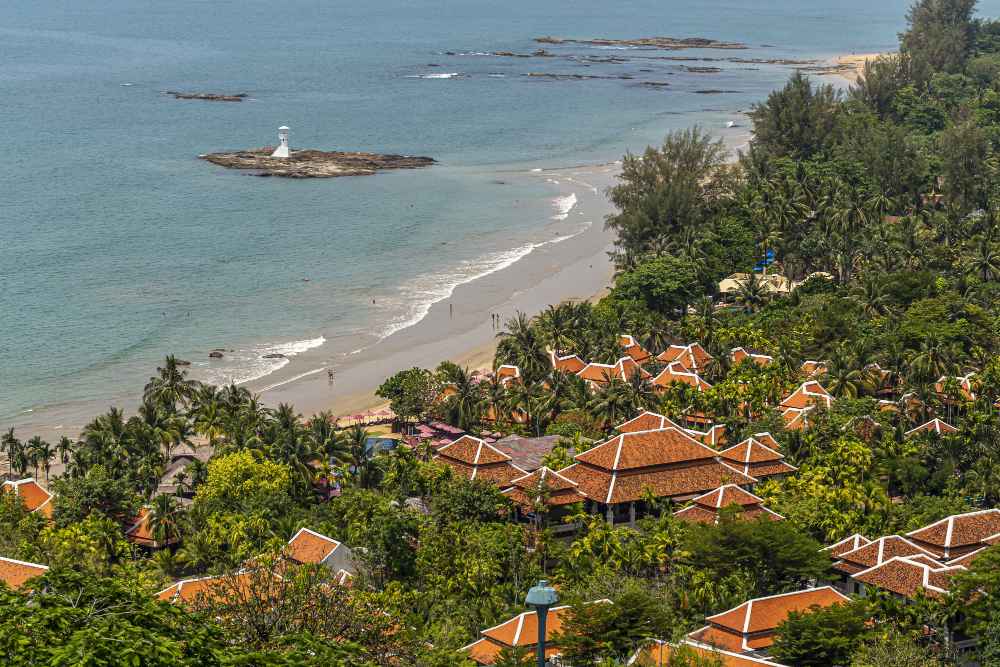
Nusa Dua: Family-Friendly Calm
Our friends with young kids swear by Nusa Dua. The beaches here are protected, calm, and clean with lifeguards on duty. It’s less “authentic Bali” and more “resort paradise,” but for families wanting stress-free beach time, it’s perfect.
4. Affordable Luxury That Shocked Us
Let’s talk money. This might be the REAL reason Bali is so popular.
What We Actually Spent Per Day (2 People)
Our mid-range comfort budget: $80-100 per day total
- Accommodation: $35-50/night for beautiful hotels with pools (We stayed at amazing places in Ubud and Canggu)
- Food: $20-30/day for both of us (Mix of local warungs and nicer restaurants)
- Transportation: $5-8/day (Scooter rental)
- Activities: $15-25/day (Temple entrances, occasionally splurging on experiences)
- Extras: $10-15/day (Coffee, snacks, random purchases)
The Massage That Changed Everything
Traditional Balinese massage: 60 minutes for IDR 100,000 ($6.50 USD).
SIX DOLLARS AND FIFTY CENTS.
We got massages THREE TIMES because why wouldn’t you? The same massage in Europe or the US costs $80-120. We’re not talking cheap, questionable quality either—these were AMAZING massages at clean, professional spas.
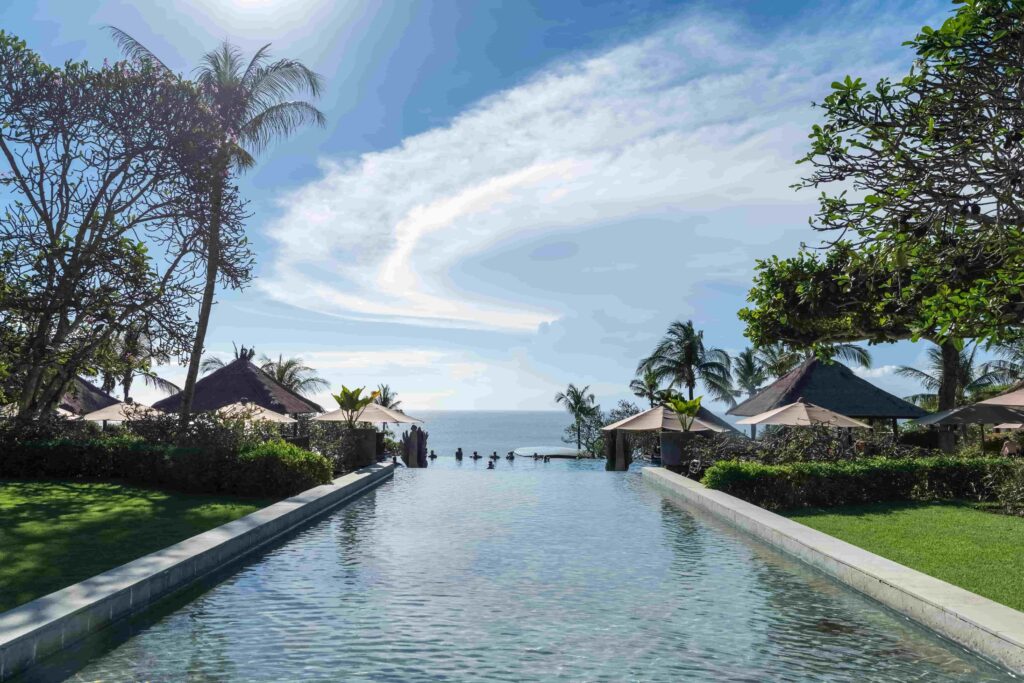
Private Villa with Pool: $50/Night
We splurged one night on a private villa in Canggu with our own pool, outdoor shower, and included breakfast. Total cost: $50 for the night.
Let that sink in. A PRIVATE VILLA WITH A POOL for fifty dollars.
That’s less than a mediocre hotel room in most Western cities.
Digital Nomad Heaven
We met SO MANY remote workers. Canggu and Ubud are packed with people working from cafés with fast WiFi, coworking spaces, and perfect weather.
Every café offers strong WiFi, laptop-friendly seating, and incredible smoothie bowls for IDR 50,000-70,000 ($3-4.50). We worked a few mornings from Betelnut Café in Canggu—the açai bowl was better than anything we’ve had in California, and it cost $4.
The digital nomad community is huge and welcoming. We attended a few networking meetups and made friends from six different countries in one week.
5. Diverse Landscapes in One Small Island
Mount Batur Sunrise: Worth the Pain
We almost skipped this. Waking up at 2:00 AM sounded terrible. But our hotel owner insisted: “You MUST do Mount Batur.”
He was right.
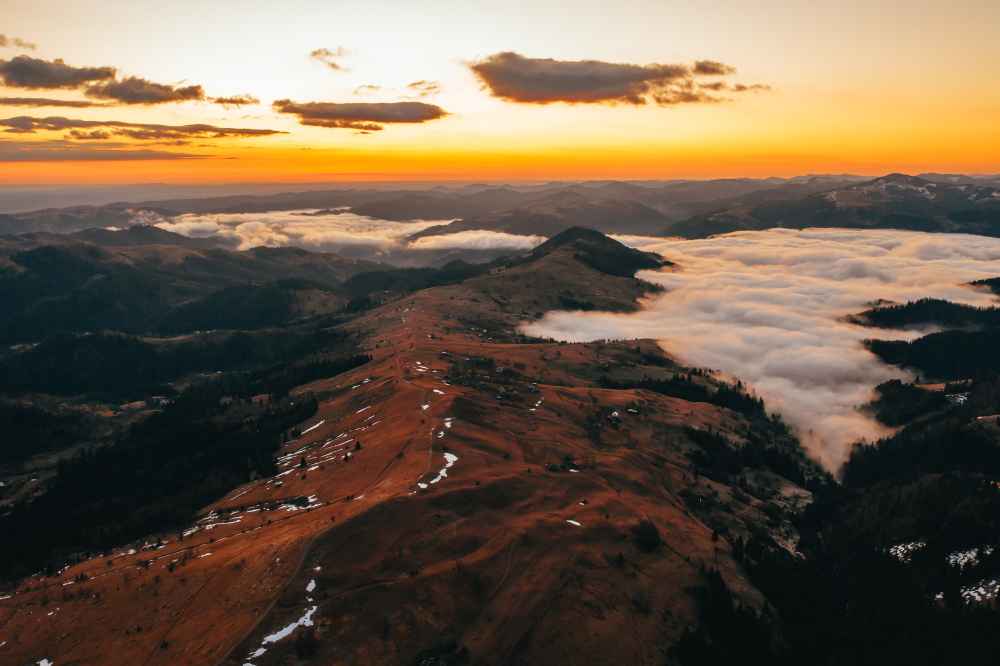
The pre-dawn trek takes about 2 hours. It’s steep, we were exhausted, but reaching that summit as the sun painted the sky in pink and orange—with Mount Agung silhouetted in the distance—ranks as one of our top travel moments ever.
Our guide cooked eggs in volcanic steam at the summit. VOLCANIC STEAM. How cool is that?
Real talk: This hike is moderately challenging but doable for average fitness. Bring warm layers (it’s cold at 4:00 AM at 1,700 meters), good shoes, and a headlamp. Tours cost around $30-40 per person including transport, guide, and breakfast.
Sekumpul Waterfalls: The Hidden Gem
Most tourists skip Sekumpul because it requires actual trekking. That’s precisely why we loved it.
The 45-minute descent through rice terraces and across rivers (yes, you’ll get wet) filters out casual visitors. When we reached the main waterfall—80 meters of water cascading into a pristine pool surrounded by jungle—we were almost alone.
We swam in that pool for an hour. The mist from the falls cooled us down, tropical birds called from the forest, and we felt like we’d discovered a secret paradise.
Cost: Hire a local guide at the entrance for IDR 100,000-150,000. It supports the local village and ensures you don’t get lost. Wear water shoes or sturdy sandals—you’ll cross rivers.
Nusa Penida: The Day Trip That Blew Our Minds
We took a 45-minute speedboat from Sanur to Nusa Penida and encountered some of Bali’s most dramatic landscapes.
Kelingking Beach (T-Rex Bay) is that famous viewpoint you’ve seen everywhere. And yes, it’s as stunning in person. The clifftop overlooks a T-Rex-shaped rock formation with pristine white sand beach and turquoise water below.
We didn’t descend to the beach (the stairs look terrifying—basically a 45-minute steep climb down and 90-minute brutal climb back up), but the view from the top? Jaw-dropping.
We also visited Angel’s Billabong and Broken Beach—natural infinity pools and rock arches carved by the ocean. The geological formations are wild.
Practical note: Nusa Penida roads are ROUGH. Hire a driver with a 4WD (IDR 600,000-700,000 for full-day tour for 4 people). Don’t attempt it on a scooter unless you’re very experienced.
Our Honest Bali Travel Tips (What We Wish We Knew)
Getting Around: Scooter Life
We rented scooters for our entire trip ($5/day). This gave us incredible freedom to explore at our own pace.
Real talk: Bali traffic is chaotic. If you’re not confident on a motorbike, hire private drivers instead ($40-50 for full day). Grab and Gojek (like Uber) work great in tourist areas for short trips.
Safety first: ALWAYS wear helmets. We saw too many bandaged tourists who learned this lesson the hard way. Get travel insurance that covers motorbike accidents—most standard policies exclude them.
Where We Stayed (And Loved It)
Ubud (3 nights): Cultural heart surrounded by rice terraces and rainforest. Perfect for temples, nature, and yoga vibes. We stayed near Monkey Forest—incredible atmosphere.
Canggu (4 nights): Hipster surf town with beach clubs, trendy cafés, and younger crowd. We loved the energy and beach access. Best for social atmosphere and digital nomad scene.
Uluwatu (3 nights): Dramatic cliffs and world-class surf. More spread out and peaceful. We enjoyed the laid-back vibe and stunning sunsets.
Sanur (2 nights): Quieter, family-friendly east coast beach town. We used this as our base for the Nusa Penida day trip. It was nice to escape the hustle for a few days.
When to Visit Bali
We went in September (shoulder season) and it was perfect—comfortable weather, fewer crowds, and decent prices.
Dry season (April-October): Best weather but more expensive and crowded, especially July-August.
Wet season (November-March): Lower prices and fewer tourists, but expect afternoon rain showers. Still warm though!
Our recommendation: May, June, September, or October offer the sweet spot—good weather without peak season madness.
Money Matters
Budget: Bring cash. Many small restaurants, shops, and markets are cash-only. ATMs are everywhere in tourist areas.
We used bank ATMs (CIMB Niaga, BCA, Mandiri) rather than random ones—better exchange rates and security. Typical withdrawal limit is IDR 2.5-3 million per transaction.
Bargaining: Expected at markets and with street vendors. We aimed for 40-50% of the first price and usually settled around 60-70%. Stay friendly—it’s part of the culture.
Avoiding Bali Belly
We were SUPER careful and still got mild stomach issues twice. Here’s what worked:
- Drink only bottled water (even for brushing teeth)
- Avoid ice in drinks unless at nice restaurants
- Eat at busy local warungs (high turnover = fresh food)
- Wash hands frequently (carry hand sanitizer)
- We brought Imodium just in case—used it twice
Most local food is safe! We ate at street warungs constantly. Just use common sense—busy places with lots of locals are your best bet.
What to Pack
Essentials we used constantly:
- Sarong (required for temples, useful as beach cover-up)
- Reef-safe sunscreen (protect the coral!)
- Light rain jacket (afternoon showers happen)
- Good walking sandals + flip-flops
- Power bank (long days exploring drain phone batteries)
- Reusable water bottle with filter
- Modest clothing for temples (cover shoulders and knees)
So… Why Is Bali So Popular? Our Final Thoughts
After two incredible weeks, we get it. Bali isn’t popular because of manufactured hype or influencer marketing—it’s popular because it delivers genuine, diverse experiences at prices that allow you to actually enjoy them.
Where else can you:
- Watch sunset from a clifftop temple while traditional dancers perform
- Walk through ancient rice terraces worked by hand for 1,000+ years
- Get world-class spa treatments for $6
- Surf world-famous breaks in the morning, explore temples in the afternoon, and enjoy beach club sunsets in the evening
- Live in a private villa with a pool for $50/night
- Connect with a welcoming international community of travelers and expats
Yes, parts of Bali are touristy. Canggu and Seminyak feel more like Southern California than Indonesia sometimes. But venture 20 minutes in any direction and you’ll find traditional villages, hidden temples, and locals living as they have for generations.
The magic of Bali isn’t in one single thing—it’s in the combination. Ancient culture meeting modern comfort. Spiritual depth alongside party beaches. Affordable prices without sacrificing quality. Adventure and relaxation in equal measure.
We arrived skeptical. We left already planning our return trip.
That’s why Bali is so popular.
Ready to Visit Bali?
Start planning your trip! Book flights 2-3 months ahead for best prices (we found deals from Europe for under €400 roundtrip). Don’t over-plan—some of our best moments were completely unplanned discoveries.
Bali surprised us, challenged us, and completely won us over. We think it’ll do the same for you.
Have you visited Bali? What made you fall in love with this island? Share your favorite spots in the comments—we’re already planning trip number two!
PIN THIS FOR LATER: Save this Bali travel guide to your Pinterest boards and share with friends planning their Indonesian adventure!

