

INTRODUCTION
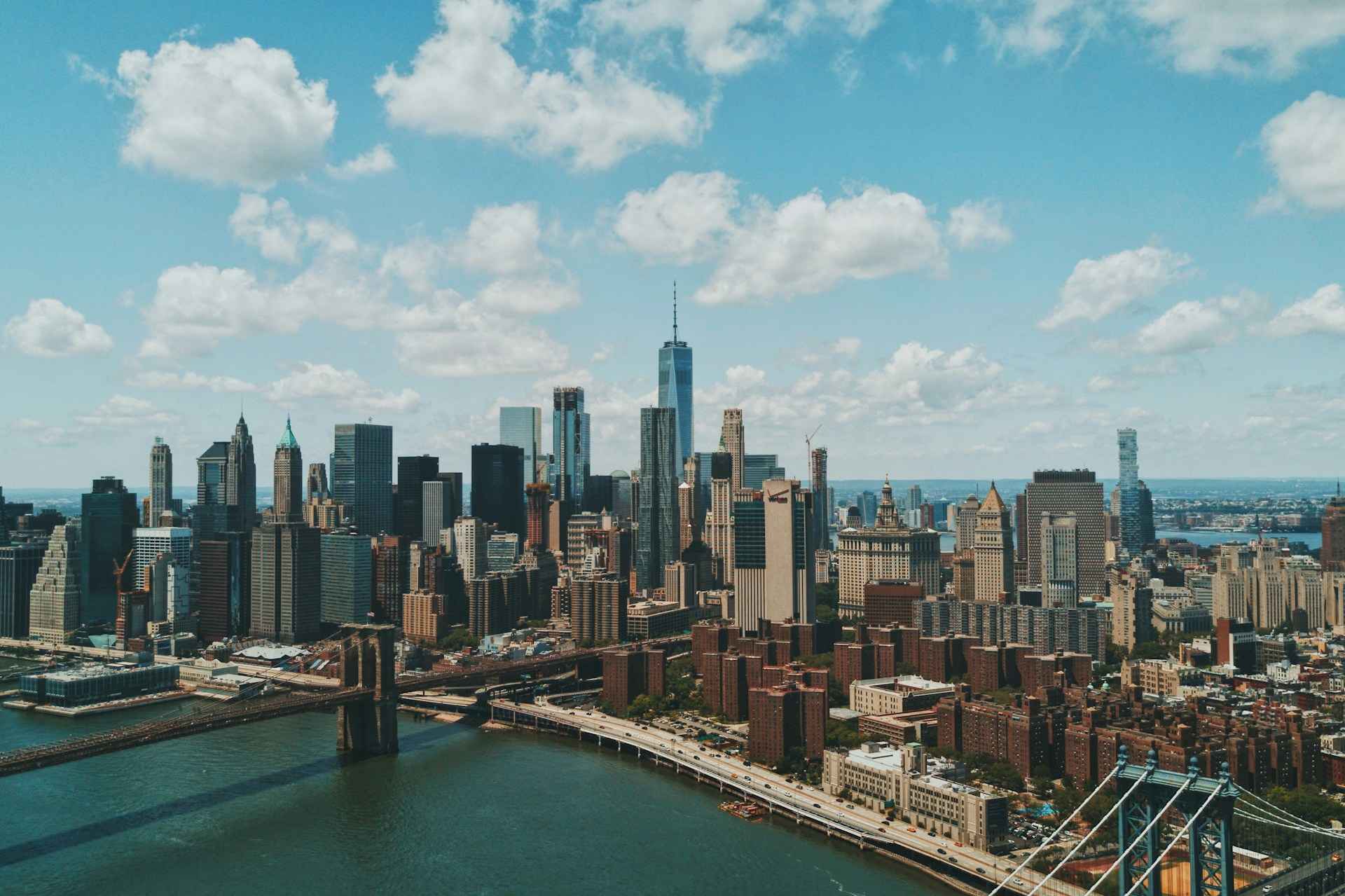
New York City, the city that never sleeps, stands as one of the most electrifying destinations on Earth. From the glittering lights of Times Square to the serene pathways of Central Park, from world-class museums to iconic skyscrapers piercing the clouds, NYC offers an inexhaustible array of experiences that captivate millions of visitors each year. Whether you’re planning your first trip to the Big Apple or you’re a seasoned New York enthusiast looking for new adventures, this comprehensive guide to things to do in New York City will help you navigate the endless possibilities this magnificent metropolis has to offer.
The beauty of New York lies in its incredible diversity—five distinct boroughs, each with its own personality, hundreds of neighborhoods representing cultures from around the globe, and attractions ranging from world-famous landmarks to hidden local gems. You could spend a lifetime exploring this city and still discover something new with each visit. This guide covers the absolute best things to do in NYC, from must-see attractions that define the city’s skyline to unique experiences that reveal its authentic character, ensuring your New York adventure is nothing short of extraordinary.
ICONIC LANDMARKS AND ATTRACTIONS
The Statue of Liberty: Symbol of Freedom
No visit to New York City is complete without seeing Lady Liberty herself. Standing proudly on Liberty Island in New York Harbor, the Statue of Liberty has welcomed millions of immigrants to America’s shores since 1886 and remains one of the most powerful symbols of freedom and democracy in the world. This colossal copper statue, a gift from France designed by Frédéric Auguste Bartholdi with its metal framework built by Gustave Eiffel, stands 305 feet tall from ground to torch.
Taking a ferry to Liberty Island ranks among the most meaningful things to do in New York City. The journey itself offers spectacular views of the Manhattan skyline, and once on the island, you can explore the grounds, visit the museum detailing the statue’s construction and history, and if you’ve reserved tickets well in advance, climb to the crown for an unforgettable perspective. The pedestal observation deck provides panoramic views without the strenuous climb, making it accessible to all visitors. Most tours combine Liberty Island with nearby Ellis Island, where the Immigration Museum tells the powerful stories of the 12 million immigrants who passed through its halls between 1892 and 1954, searching for a better life in America.
The ferry departs from Battery Park in lower Manhattan, and advance reservations are essential, especially during peak tourist seasons from spring through fall. Crown access tickets sell out months ahead, so plan accordingly. Budget at least four to five hours for the complete Liberty Island and Ellis Island experience, though you could easily spend an entire day absorbed in the history and significance of these sites. The journey provides not just tourist satisfaction but genuine emotional connection to the immigrant experience that built America.
Empire State Building: Touching the Sky
The Empire State Building defines the New York skyline and represents the city’s ambitious spirit. Completed in 1931 during the Great Depression, this Art Deco masterpiece stood as the world’s tallest building for nearly 40 years. Rising 1,454 feet including its antenna, the building offers observation decks on the 86th and 102nd floors with breathtaking 360-degree views of the city.
Visiting the Empire State Building observation deck ranks among the quintessential things to do in New York at night and during the day. The 86th-floor open-air observatory provides the classic New York experience, where you can feel the wind and see the city spread beneath you in every direction. On clear days, visibility extends up to 80 miles, encompassing five states. The 102nd-floor observatory, enclosed and recently renovated, offers an even higher perspective for those seeking the ultimate view.
The building’s lighting system, which illuminates the top 30 floors in various color combinations, celebrates holidays, events, and causes throughout the year. Watching the sunset from the observation deck transforms the cityscape from daylight to a glittering sea of lights, creating an unforgettable experience. Peak sunset times command premium pricing, but many visitors consider the added cost worthwhile for the magical transition from day to night. Arriving early morning offers fewer crowds and excellent photography lighting.
Purchase tickets online in advance to skip the long ticket lines, though you’ll still wait for security screening and elevators during busy periods. The building now features an immersive museum on the second floor, detailing its construction, pop culture appearances, and place in New York history. Allow at least two hours for the complete experience, though you could spend much longer soaking in the views and atmosphere of this iconic landmark.
Times Square: The Crossroads of the World

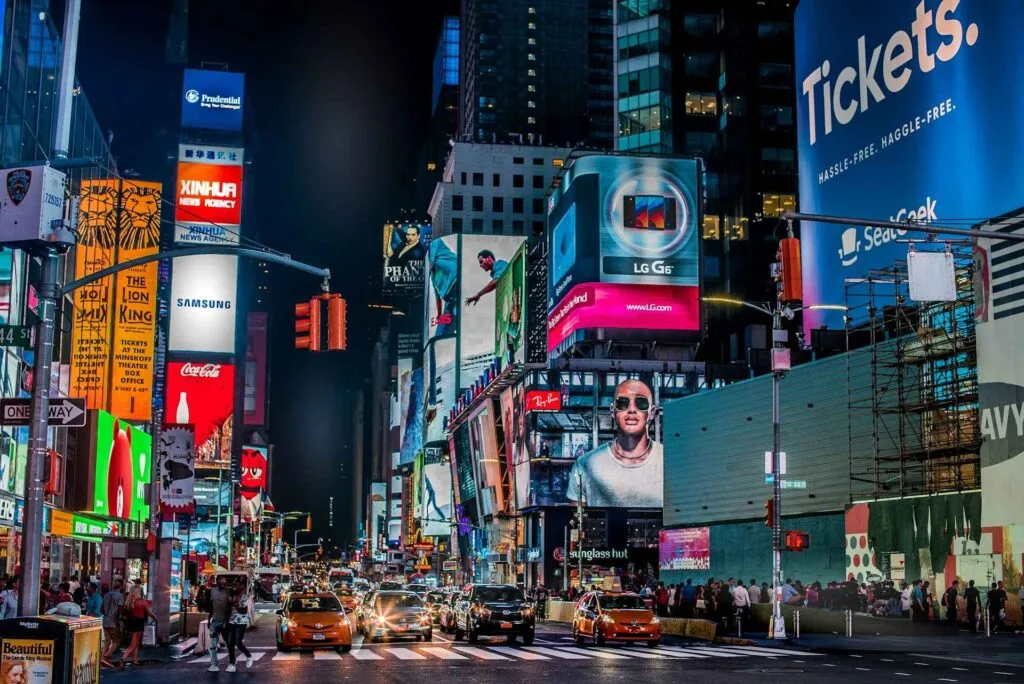
Times Square assaults the senses in the best possible way—a kaleidoscope of neon billboards, towering digital displays, street performers, tourists from every corner of the globe, and an energy unlike anywhere else on Earth. Named after The New York Times, which located its headquarters here in 1904, Times Square has evolved into the symbolic heart of New York City, where New Year’s Eve celebrations broadcast to billions worldwide.
Walking through Times Square represents one of the most photographed things to do in New York City, and despite its tourist reputation, the experience delivers genuine excitement. The pedestrian plazas created in recent years provide space to stand and absorb the overwhelming visual spectacle without dodging traffic. Street performers entertain crowds, costume characters pose for photos (tips expected), and the sheer scale of the advertising displays creates an almost surreal environment where commerce becomes art.
Broadway theaters surrounding Times Square offer world-class entertainment. Catching a Broadway show ranks among the most memorable things to do in New York for visitors and locals alike. From long-running classics like The Phantom of the Opera and The Lion King to cutting-edge new productions, Broadway delivers theatrical experiences that set the standard for the entire world. Same-day discount tickets are available at the TKTS booth in Duffy Square, offering up to 50% off select shows, though availability varies and popular shows rarely appear at discounts.
Times Square reveals different personalities at different times. Early morning brings relatively empty streets perfect for photography without crowds. Late night showcases the neighborhood’s seedier past remnants alongside its family-friendly present. The lunch hour fills with workers from nearby office buildings. Evening brings theater-goers dressed for shows and tourists planning dinner. Midnight finds the square still bustling with activity, living up to New York’s sleepless reputation.
Central Park: Urban Oasis
Central Park’s 843 acres provide a green sanctuary in the heart of Manhattan, designed by Frederick Law Olmsted and Calvert Vaux in the 1850s. This masterpiece of landscape architecture offers meadows, woods, lakes, bridges, sculptures, playgrounds, and performance spaces, creating an escape from the urban intensity surrounding it on all sides. Simply wandering through Central Park ranks among the most relaxing and quintessentially New York things to do in the city.
The park contains countless attractions within its borders. Bethesda Terrace and Fountain serves as the architectural heart, where the Mall’s tree-lined promenade meets the lake. The Angel of the Waters statue atop the fountain has appeared in countless films and represents one of the park’s most photographed spots. Bow Bridge, an elegant cast-iron bridge spanning the lake, offers romantic views and excellent photo opportunities. Belvedere Castle, a Gothic and Romanesque folly built in 1869, provides elevated views across the park and houses a nature observatory.
Strawberry Fields memorializes John Lennon with a teardrop-shaped garden and the famous “Imagine” mosaic near the Dakota apartment building where he lived and was tragically killed. The Sheep Meadow, a 15-acre lawn, fills with sunbathers, picnickers, and frisbee players on warm days. The Great Lawn hosts free concerts and events throughout summer. The Ramble’s 36 acres of winding paths and dense woodland attracts bird watchers—over 200 species have been spotted in the park.
Active visitors can rent bikes or rowboats, ice skate at Wollman Rink in winter, or join pickup games on the numerous sports fields. The Central Park Zoo, though small compared to the Bronx Zoo, offers a charming collection of animals in the heart of Manhattan. Free activities abound—walking, people-watching, lying on the grass reading a book, exploring the various gardens and natural areas. The park hosts free performances at the Delacorte Theater (Shakespeare in the Park) and SummerStage concerts featuring diverse musical acts.
Visiting Central Park requires no admission, making it one of the best free things to do in New York City. The park deserves several visits if you have time—early morning for peaceful walks and bird watching, midday for energy and activity, evening for sunset views and a different atmosphere. Each season transforms the landscape: spring blossoms, summer lushness, fall foliage, and winter snow create four distinct parks. Whether spending an hour or an entire day, Central Park provides essential balance to the urban intensity of New York.
WORLD-CLASS MUSEUMS AND CULTURE
The Metropolitan Museum of Art: Art Through the Ages
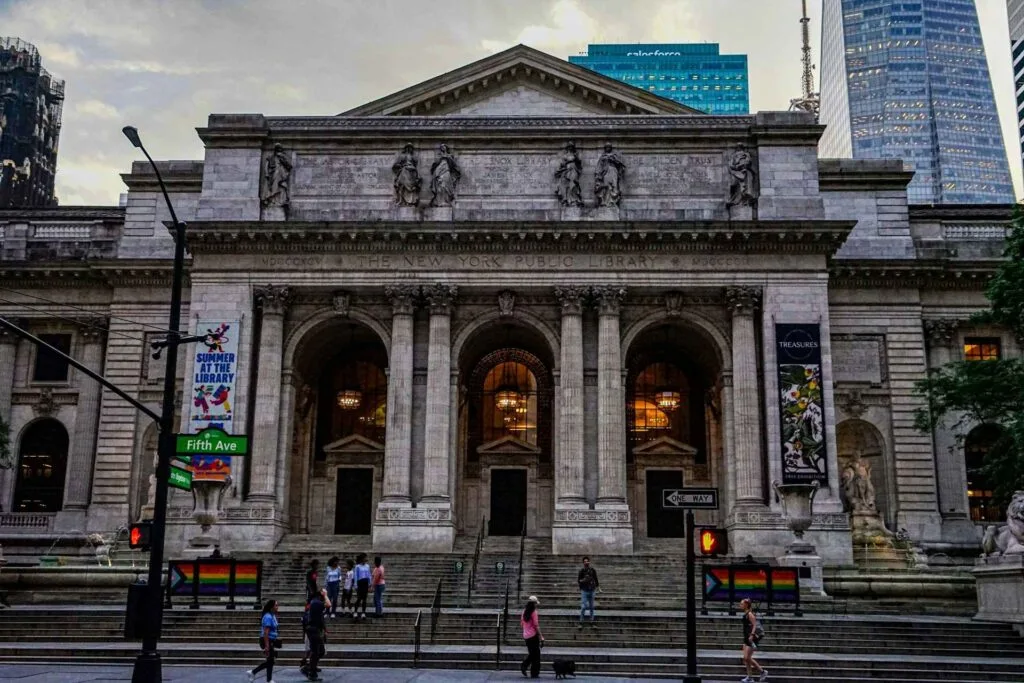
The Metropolitan Museum of Art, universally known as the Met, stands as one of the world’s greatest art museums. Housing over two million works spanning 5,000 years of human creativity, the Met’s vast collection encompasses everything from ancient Egyptian artifacts to contemporary paintings, from European old masters to American decorative arts, from Asian sculptures to African textiles. Visiting the Met ranks among the most culturally enriching things to do in New York City, though attempting to see everything in one visit would be impossible—and overwhelming.
The museum’s encyclopedic collection means every visitor finds something compelling. Egyptian Art, one of the Met’s strongest departments, features the Temple of Dendur reconstructed in a dramatic glass-walled gallery overlooking Central Park. European Paintings displays masterpieces by Vermeer, Rembrandt, Caravaggio, and countless other legends. The American Wing chronicles the nation’s artistic development through painting, sculpture, and decorative arts. Arms and Armor showcases stunning examples from around the world. The Costume Institute mounts spectacular fashion exhibitions that become cultural events.
Located along Fifth Avenue on the Upper East Side, the Met’s Beaux-Arts building is itself an architectural landmark. The Great Hall’s soaring vaulted ceiling welcomes visitors into this temple of art. The rooftop garden, open seasonally, features contemporary sculpture installations and breathtaking views of Central Park and the Manhattan skyline. The Cantor Roof Garden Bar serves drinks and light fare, making it one of the city’s most cultured places to enjoy a beverage with a view.
The Met operates on a suggested admission basis for New York State residents, though out-of-state visitors pay fixed prices. Your ticket includes same-day admission to the Met Cloisters in upper Manhattan, a separate branch dedicated to medieval European art and architecture. Plan at least three to four hours for a meaningful visit, though art enthusiasts could easily spend an entire day. Consider focusing on two or three departments rather than attempting superficial coverage of everything. Free gallery talks and tours led by knowledgeable guides provide deeper understanding of the collection.
Museum of Modern Art: Contemporary Masterpieces
The Museum of Modern Art (MoMA) revolutionized how people think about art when it opened in 1929. Dedicated to modern and contemporary art from the late 19th century to present, MoMA’s collection includes some of the most iconic and valuable artworks in existence. Van Gogh’s The Starry Night, Picasso’s Les Demoiselles d’Avignon, Warhol’s Campbell’s Soup Cans, and Monet’s Water Lilies represent just a fraction of the masterpieces housed here. Visiting MoMA ranks among the essential things to do in New York for anyone interested in art, design, and culture.
The museum expanded and renovated in 2019, increasing gallery space and improving visitor flow. The collection spans painting, sculpture, photography, film, architecture, and design. The design collection includes everything from sports cars to household appliances, demonstrating that great design exists everywhere. The film program screens classics and contemporary works in state-of-the-art theaters. The sixth-floor terrace offers outdoor space and views of midtown Manhattan’s skyscrapers.
MoMA’s location in midtown Manhattan makes it easily accessible and allows combination with other nearby attractions. The museum shop sells excellent art books, prints, and design objects—arguably the best museum shop in the city. The restaurants and cafés provide respite, though they can be crowded during peak hours. Admission is not cheap, but UNIQLO sponsors free Friday evenings from 5:30-9:00 PM, though crowds during free hours can make viewing difficult.
Photography is prohibited in certain galleries but allowed in most areas without flash. Audio guides enhance the experience by providing context and analysis. MoMA’s collection is smaller than the Met’s, making it more manageable in a half-day visit, though art lovers could easily spend a full day absorbing the revolutionary and thought-provoking works displayed here. The museum challenges conventional thinking and presents art that changed how we see the world, making it an intellectually stimulating experience alongside the aesthetic pleasure.
American Museum of Natural History: Wonder and Discovery
The American Museum of Natural History captures imaginations from age 8 to 80 (and beyond) with its spectacular displays spanning natural sciences from dinosaurs to distant galaxies. Occupying an entire city block on the Upper West Side facing Central Park, this institution houses 45 permanent exhibition halls containing millions of specimens and artifacts. Visiting this museum ranks among the most educational and entertaining things to do in New York City with kids, though adults without children find equal fascination.
The dinosaur halls showcase massive skeletons including a towering Barosaurus defending its young from an attacking Allosaurus in the Theodore Roosevelt Rotunda. The fossil collections, among the world’s finest, trace life’s evolution through the ages. The Hall of Ocean Life’s 94-foot blue whale model suspended from the ceiling creates an awe-inspiring centerpiece. The meteorite collection includes massive iron specimens and the Star of India, the world’s largest blue star sapphire.
Dioramas depicting wildlife in habitat settings demonstrate taxidermy as art form. The African mammals hall features lions, elephants, and gorillas in meticulously recreated environments. North American mammals, Asian mammals, and ocean life receive similar treatment, creating windows into ecosystems from around the planet. The attention to detail in the habitat backgrounds, painted by skilled artists, makes these dioramas valuable historical records of environments that have changed dramatically since their creation.
The Rose Center for Earth and Space, a massive glass cube housing a sphere, contains the Hayden Planetarium. The Space Show, projected onto the dome, transports viewers through the cosmos with stunning visuals and scientific accuracy. The Hall of Planet Earth explains geological processes that shape our world. The Hall of Human Origins traces human evolution through fossil evidence and archaeological discoveries.
Admission operates on a suggested donation basis for New York residents, with fixed prices for others. However, special exhibitions and the Space Show require additional tickets. The museum’s size can be overwhelming—plan at least three to four hours, though you could easily spend an entire day. Arriving at opening time helps beat the crowds, especially during school holidays when the museum fills with students. The museum cafeteria provides adequate food, though many visitors prefer to lunch at nearby restaurants on the Upper West Side.
9/11 Memorial and Museum: Remembrance and Resilience
The National September 11 Memorial and Museum honors the 2,983 people killed in the terrorist attacks of September 11, 2001, and February 26, 1993. The twin reflecting pools, set in the footprints of the original Twin Towers, feature the largest man-made waterfalls in North America. Bronze panels inscribed with victims’ names surround each pool, creating a powerful memorial that transformed Ground Zero from a site of tragedy into a place of reflection and healing.
Visiting the 9/11 Memorial ranks among the most emotionally impactful things to do in New York City. The memorial plaza is free and open to the public, though the museum requires timed entry tickets. White oak trees shade the plaza, and the Survivor Tree, a Callery pear tree that survived the collapse, stands as a symbol of resilience and rebirth. The reflecting pools create a somber yet beautiful space where the rush of water provides constant background sound, muffling the city noise and creating an atmosphere appropriate for contemplation.
The museum, located underground, presents the history of 9/11 through artifacts, audio recordings, photographs, and personal stories. The exhibition doesn’t shy away from the horror of that day—it includes fragments of the destroyed buildings, damaged fire trucks and emergency vehicles, personal effects of victims, and audio of final phone calls. Last Column, a 36-foot-tall steel beam covered in messages and memorials from recovery workers, stands at the museum’s center. Two massive steel tridents that formed the exterior structure survive as towering remnants of the Twin Towers.
The museum is profoundly moving and difficult. Many visitors shed tears while navigating the exhibition. The presentation balances commemoration with historical documentation, explaining the events that led to the attacks, the day itself, and the aftermath. Personal stories of victims, survivors, and first responders humanize the statistics. A section explores the global impact and ongoing consequences of 9/11, including the wars in Afghanistan and Iraq.
Allow at least two to three hours for the museum visit. Audio guides provide additional context and stories. The experience is intense, and some visitors may need breaks or choose to skip certain sections. The museum shop, contrary to some museums, feels entirely appropriate, selling books and documentaries that further explore 9/11’s history and legacy. Visiting the memorial and museum provides essential understanding of a pivotal moment in American history and honors those who were lost.
BROOKLYN BRIDGE AND BROOKLYN
Walk the Brooklyn Bridge: Iconic Crossing
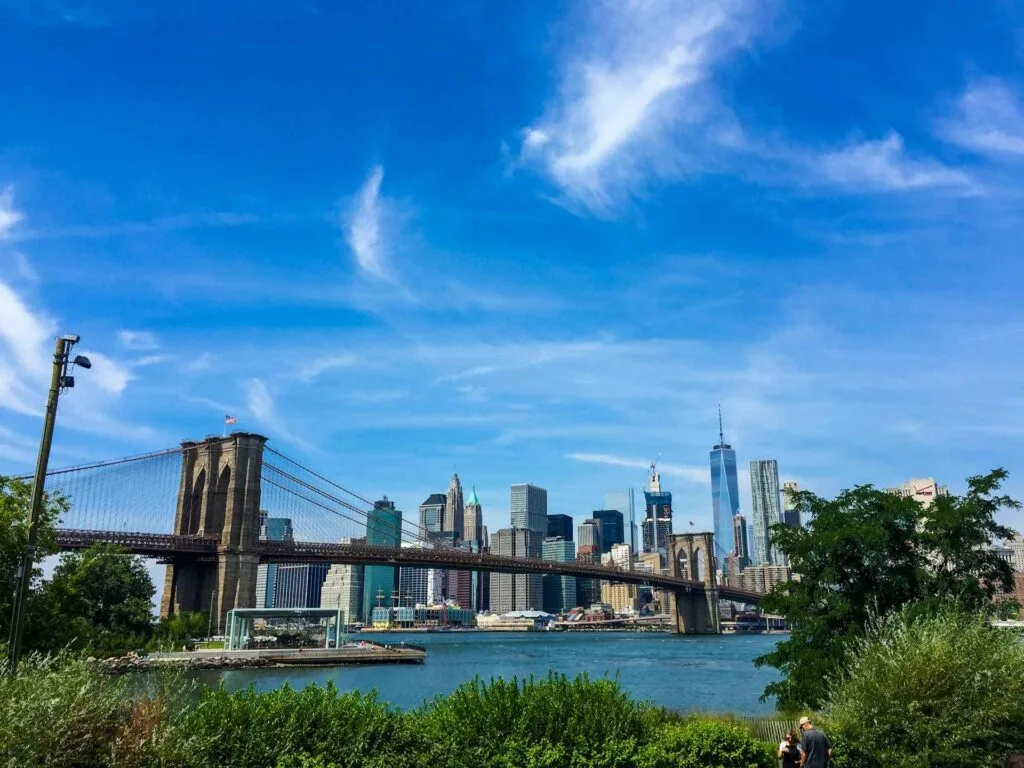
Walking the Brooklyn Bridge ranks among the most quintessentially New York things to do, combining exercise, spectacular views, history, and architectural appreciation into one unforgettable experience. Completed in 1883, this suspension bridge was an engineering marvel—the longest suspension bridge in the world at the time and the first to use steel cables. John Augustus Roebling designed it, though he died during construction, and his son Washington Roebling oversaw the 14-year building process despite becoming disabled by decompression sickness.
The pedestrian walkway, elevated above the traffic lanes, offers unobstructed views of the Manhattan skyline, the Statue of Liberty, and the East River. The bridge’s Gothic-style stone towers and intricate cable patterns create a photogenic foreground for skyline shots. The 1.3-mile walk takes 30-60 minutes depending on pace and photo stops. Starting from the Manhattan side (near City Hall) and walking to Brooklyn provides the best views—you face the beautiful Manhattan skyline the entire way rather than looking at it over your shoulder.
The Brooklyn approach leads to neighborhoods worth exploring. DUMBO (Down Under the Manhattan Bridge Overpass) has transformed from industrial warehouse district to trendy neighborhood with art galleries, boutiques, cafés, and restaurants. Brooklyn Bridge Park’s waterfront esplanade offers more Manhattan views, lawns, playgrounds, and seasonal activities. Jane’s Carousel, a beautifully restored 1922 carousel housed in an acrylic pavilion, delights all ages. Time Out Market at Empire Stores provides curated food from excellent vendors in a converted 19th-century warehouse.
The bridge gets crowded, especially weekends and holidays. Tourists often stop unexpectedly for photos, creating pedestrian traffic jams. Bicyclists share the walkway and sometimes zoom past dangerously close. Despite these minor annoyances, walking the Brooklyn Bridge remains essential. The experience connects you to New York history while providing that perfect Instagram shot. Sunset offers beautiful light, though crowds peak at this time. Early morning provides relative solitude and excellent light for photography.
TRENDY NEIGHBORHOODS AND LOCAL EXPERIENCES
Greenwich Village: Bohemian Heart
Greenwich Village, simply called “the Village” by locals, embodies New York’s bohemian spirit. This neighborhood’s tree-lined streets, historic brownstones, hidden courtyards, and artistic heritage create an atmosphere distinct from the rest of Manhattan. Unlike most of New York’s grid pattern, the Village’s streets follow old property lines, creating a maze of intersections and unexpected corners that reward aimless wandering.
Washington Square Park serves as the neighborhood’s heart. The iconic marble arch, modeled after Paris’s Arc de Triomphe, commemorates George Washington. The park’s fountain attracts street performers, musicians, chess players, NYU students, families, tourists, and locals creating a vibrant scene on warm days. Surrounding the park, elegant townhouses once housed New York’s elite families, though many now belong to NYU.
The Village played crucial roles in American cultural movements. The folk music scene of the 1960s centered here—Bob Dylan, Joan Baez, and other legends performed at coffeehouses and clubs. The Stonewall Inn, site of the 1969 riots that launched the modern LGBTQ+ rights movement, still operates as a bar and stands as a national monument. Beat Generation writers like Allen Ginsberg and Jack Kerouac lived and wrote here. Jazz clubs flourished in Village basements.
Today the Village balances its historic character with expensive real estate. Independent shops, cozy restaurants, historic bars, comedy clubs, and jazz venues still operate alongside high-end boutiques and trendy eateries. Walking the quiet residential streets reveals beautiful architecture and glimpses of brownstone life. Bleecker Street offers shopping and dining. MacDougal Street retains some counterculture spirit. The neighborhood rewards slow exploration without specific destination—one of the best things to do in New York for those who want to experience authentic neighborhood character rather than tourist attractions.
SoHo: Cast-Iron Architecture and Shopping
SoHo (South of Houston Street) showcases the largest collection of cast-iron architecture in the world. In the 19th century, these buildings housed factories and warehouses, but artists seeking cheap, large spaces colonized the neighborhood in the 1960s and 70s, transforming it into a creative hub. The artistic character attracted galleries, boutiques, and eventually high-end retail, pushing out many of the artists who established the neighborhood’s reputation.
The cast-iron facades, designed to look like expensive stone buildings but constructed of prefabricated iron pieces, create visual harmony along entire blocks. The decorative elements—columns, arches, ornate details—demonstrate industrial-age craftsmanship. Simply walking SoHo’s streets and admiring the architecture ranks among the worthwhile things to do in New York for those interested in urban design. Many buildings now house expensive lofts, celebrity homes, and luxury retail, though the exteriors preserve the industrial past.
Shopping is SoHo’s current primary draw. High-end fashion boutiques from international designers fill street-level spaces. Broadway and Prince Street offer the densest concentration of stores. The neighborhood attracts serious shoppers with money to spend, window shoppers admiring displays they can’t afford, and tourists who consider shopping a tourist activity. Weekend crowds can make walking difficult, though the people-watching is exceptional.
Art galleries, though fewer than the neighborhood’s heyday, still operate in SoHo. The New York Earth Room, a free installation by Walter De Maria, fills an entire loft with 250 cubic yards of dirt—an unexpected and memorable experience. Several small museums and photography galleries show contemporary work. Independent cafés and restaurants provide respite from shopping. The neighborhood’s transformation from industrial to artistic to commercial mirrors New York’s broader evolution and makes it a fascinating study in urban change.
Williamsburg, Brooklyn: Hipster Paradise
Williamsburg transformed from working-class neighborhood to hipster capital to increasingly mainstream trendy area over the past two decades. This Brooklyn neighborhood offers artisanal everything—coffee, chocolate, pickles, beer, bread—alongside vintage shops, street art, music venues, rooftop bars, and a general atmosphere of creative energy. Exploring Williamsburg ranks among the coolest things to do in New York for those seeking contemporary urban culture.
Bedford Avenue, the main commercial strip, showcases the neighborhood’s character. Independent boutiques sell handmade goods and vintage clothing. Coffee shops serve meticulously prepared single-origin brews. Restaurants ranging from casual to upscale represent diverse cuisines with emphasis on locally-sourced ingredients. The Williamsburg stereotype—bearded baristas, tattooed servers, mason jar cocktails—exists but represents only part of the neighborhood’s reality.
The waterfront area underwent dramatic development, with luxury high-rises replacing industrial buildings. East River State Park and the Williamsburg waterfront provide spectacular Manhattan skyline views, particularly beautiful at sunset. Smorgasburg, a weekend food market (seasonal), offers dozens of food vendors serving everything from ramen burgers to artisanal doughnuts. The Brooklyn Brewery offers tours and tastings, representing the craft beer movement that Williamsburg helped popularize.
Music venues like Music Hall of Williamsburg and Brooklyn Steel showcase indie and alternative acts. Art galleries, though overshadowed by Manhattan’s gallery scene, offer more experimental and affordable work. Street art covers walls throughout the neighborhood, creating an outdoor gallery of urban creativity. The neighborhood’s energy and innovation make it exciting, though the rapid gentrification and rising rents that displaced earlier residents create complicated feelings about its transformation.
FOOD, DINING, AND CULINARY EXPERIENCES
New York Pizza: Essential NYC Food Experience
Eating New York pizza ranks among the most authentic things to do in New York City. The city’s pizza represents a distinct style—large, thin crust that’s crispy yet foldable, quality tomato sauce, shredded mozzarella, often sold by the slice. The fold-and-eat technique, necessary to prevent drooping, marks experienced New Yorkers. Debate rages over the “best” pizza, with neighborhood loyalty and personal preference creating endless arguments.
Joe’s Pizza in Greenwich Village serves classic New York slices that set the standard. Patsy’s in East Harlem has operated since 1933, offering coal-oven pizza in a neighborhood Italian restaurant setting. Di Fara in Midwood, Brooklyn, achieved legendary status though Dom DeMarco, the 85-year-old owner who made every pie, passed in 2022. Prince Street Pizza’s pepperoni square slice creates lines out the door. Artichoke Basille’s serves massive, rich slices that divide opinion—some consider them the best ever, others find them too heavy.
Beyond classic New York style, the city offers Neapolitan, Sicilian, Detroit-style, and creative variations. Roberta’s in Brooklyn helped spark the wood-fired pizza renaissance. Lucali’s requires reservations and cash for its intimate, exceptional pizza experience. L&B Spumoni Gardens in Brooklyn serves Sicilian-style square slices with sauce on top of cheese, a local tradition since 1939.
The slice culture means you can grab quality pizza quickly and cheaply nearly anywhere in the city. Dollar-slice shops offer quantity over quality. Mid-range places provide solid, dependable slices. High-end pizzerias treat pizza as an art form. Eating pizza standing at a counter or walking down the street while juggling a floppy slice creates a quintessential New York moment that no visitor should miss.
Bagels with Lox: Breakfast of Champions
New York bagels and New York pizza share similar legendary status—simple food elevated to an art form through technique, quality ingredients, and local water chemistry (a debated factor). A proper New York bagel boasts a crispy crust, chewy interior, and perfect density. Bagels with schmear (cream cheese) and lox (smoked salmon) create a quintessentially Jewish-American breakfast that ranks among the classic foods to try when visiting New York.
Russ & Daughters has served the Lower East Side since 1914, specializing in smoked fish, caviar, and the perfect bagel sandwich. The appetizing store (distinct from a delicatessen) offers stunning arrays of smoked salmon varieties, herrings, whitefish salad, and more. Zabar’s on the Upper West Side serves a similar function, with a café where you can eat your bagel and schmear while watching neighborhood life. Ess-a-Bagel makes enormous, excellent bagels that satisfy even the heartiest appetite.
Murray’s Bagels in Greenwich Village earns frequent “best bagel” accolades. Absolute Bagels on the Upper West Side attracts lines of Columbia students and locals. H&H Bagels, after bankruptcy and closures, reopened and continues its legacy. Each shop has devoted followers who swear their choice is superior—part of the fun is trying several and forming your own opinion.
Cream cheese varieties extend far beyond plain—scallion, vegetable, lox spread, and flavored options abound. Traditional construction layers cream cheese, lox, tomato, onion, and capers on a toasted or untoasted bagel. Some consider toasting sacrilege, destroying the bagel’s texture, while others prefer the crunch. Eating a proper New York bagel with lox provides cultural and culinary education—understanding Jewish immigrant food traditions that became inseparable from New York identity.
Chelsea Market: Food Hall Paradise
Chelsea Market occupies a full city block in a former Nabisco factory (where the Oreo was invented) transformed into a food lover’s paradise. This enclosed marketplace houses over 35 food vendors, shops, and restaurants ranging from sushi to lobster, tacos to Thai, artisanal chocolate to freshly baked bread. Wandering Chelsea Market and sampling various foods ranks among the most delicious things to do in New York City.
Los Tacos No. 1 serves some of the city’s best tacos—simple, authentic, fresh. Lines are long but move quickly. Lobster Place offers a fish market and restaurant with excellent seafood including lobster rolls, oysters, and prepared fish. Li-Lac Chocolates handcrafts chocolates using traditional techniques. Amy’s Bread bakes crusty loaves, pastries, and cookies. Doughnuttery fries fresh mini doughnuts rolled in creative flavors—order the sampler for variety.
Beyond food vendors, Chelsea Market contains retail shops selling kitchenware, art, books, and imported goods. The building’s industrial aesthetic—exposed brick, pipes, and original factory elements—creates atmospheric shopping and dining. The Highline, an elevated park built on abandoned railroad tracks, begins at the northern end of Chelsea Market, making it easy to combine a market visit with a Highline walk.
The market attracts enormous crowds, especially weekends and holidays. Lunchtime brings office workers from surrounding buildings. The enclosed space amplifies noise, and seating is limited, though the adjacent building offers additional seating areas. Despite crowds, Chelsea Market delivers exceptional food diversity in a unique setting. Come hungry, skip breakfast, and make lunch a progressive meal sampling multiple vendors.
CONCLUSION: PLANNING YOUR NEW YORK CITY ADVENTURE
New York City offers inexhaustible experiences—this guide scratches the surface of what this remarkable city provides. Whether you have three days or three weeks, whether your interests lean toward art, food, history, shopping, nightlife, or simply absorbing urban energy, New York delivers. The key to a successful visit lies in prioritizing what genuinely interests you rather than attempting to check off every famous sight.
Mix famous attractions with neighborhood exploration. Balance busy tourist sites with quieter parks and local haunts. Allow spontaneity—some of the best New York experiences come from unexpected discoveries, conversations with locals, or simply getting lost and finding your way. Use public transportation like locals do—the subway system reaches almost everywhere and provides authentic New York experience.
Budget carefully—New York can be expensive, but free activities abound. Many museums offer pay-what-you-wish hours. Parks, markets, and neighborhoods cost nothing to explore. Street food and casual dining provide excellent quality at reasonable prices. Splurge strategically on experiences that matter most to you.

