


Table of Contents
Introduction
From flamenco’s haunting rhythms to sun-drenched olive groves and whitewashed hill towns, Andalusia is the soul of Spain. While cities like Seville, Granada, and Córdoba boast world-famous landmarks, Southern Spain also harbors a treasure trove of lesser-known destinations. For travelers seeking something more authentic, intimate, and off the beaten path, Andalusia’s hidden gems offer rich experiences — minus the tourist crowds.
At Roam Traveller, we believe the best travel guide reveals places that surprise and inspire. Let’s venture beyond the guidebooks and uncover Andalusia’s most magical secrets.
Ronda – A Town Suspended in Time
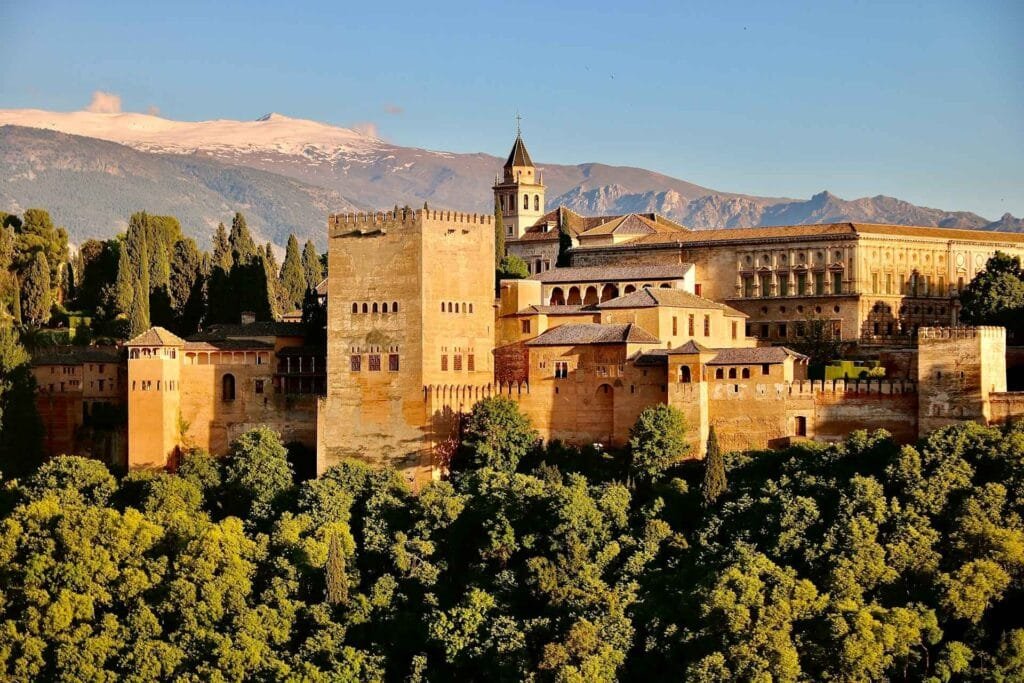
Perched dramatically on the cliffs of the El Tajo Gorge, Ronda looks like a scene from a fantasy novel. Split in two by a chasm that plunges over 100 meters deep, the town is connected by the awe-inspiring Puente Nuevo, an 18th-century stone bridge with heart-pounding views.
Ronda’s history is deep-rooted in Moorish architecture, Roman ruins, and literary legacy — Hemingway and Orson Welles were frequent visitors. Visit the Plaza de Toros, Spain’s oldest bullring, then stroll to the Casa del Rey Moro to discover ancient water mines and lush gardens.
In the evening, watch the sun sink behind the gorge from the Mirador de Ronda, casting golden light on the whitewashed houses that cling to the cliffs.
Úbeda and Baeza – Renaissance Twins
Tucked in the olive-growing province of Jaén, Úbeda and Baeza are twin UNESCO World Heritage towns famed for their 16th-century palaces, silent plazas, and poetic calm. Wander through Renaissance architecture with hardly a tourist in sight.
Úbeda impresses with its elegant Plaza Vázquez de Molina, home to the striking Sacra Capilla del Salvador, while Baeza charms with medieval stone streets and its romantic Plaza del Pópulo.
Beyond the beauty, these towns are gateways to olive oil country. Join a tasting tour or visit a local press — Jaén produces 20% of the world’s olive oil, making it the true liquid gold capital.
Setenil de las Bodegas – Built into the Rock
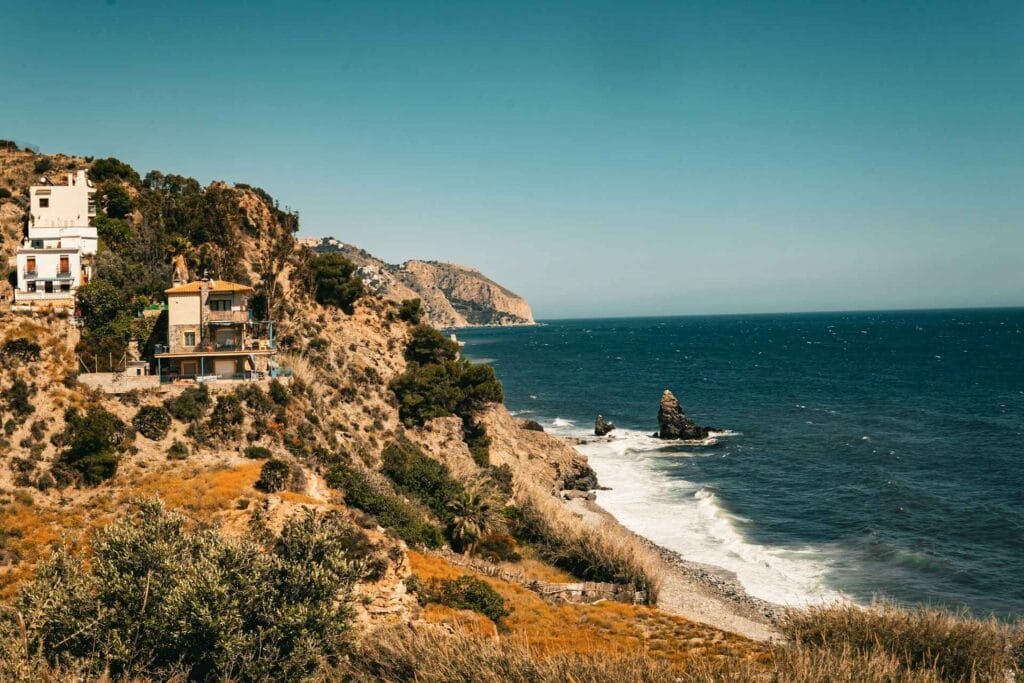
Unlike any other town in Spain, Setenil de las Bodegas is built into — and beneath — enormous rock overhangs. Cafés, homes, and shops nestle cozily under cliffs that feel like nature’s own ceilings.
Part of the Pueblos Blancos route, Setenil was once a Moorish fortress. Today, it offers a one-of-a-kind experience. Enjoy tapas under a rock canopy in Calle Cuevas del Sol, or wander into alleyways where caves become cozy homes.
Despite its uniqueness, Setenil remains delightfully under the radar. It’s a perfect afternoon stop for a road trip through inland Andalusia.
Las Alpujarras – Sierra Nevada’s Hidden Villages
Tucked between the snowy peaks of the Sierra Nevada and the Mediterranean, the Las Alpujarras region is a peaceful haven of whitewashed villages and terraced valleys.
Villages like Capileira, Bubión, and Pampaneira hold on to Moorish heritage with narrow, labyrinthine streets, flat-roofed houses, and acequia irrigation systems. Here, nature and culture coexist. Hike ancient trails or relax in a local tetería sipping mountain tea.
This is slow travel at its best — handwoven rugs, cheese made in mountain dairies, and silence so pure it echoes.
Cabo de Gata-Níjar Natural Park – Coastal Wild Beauty
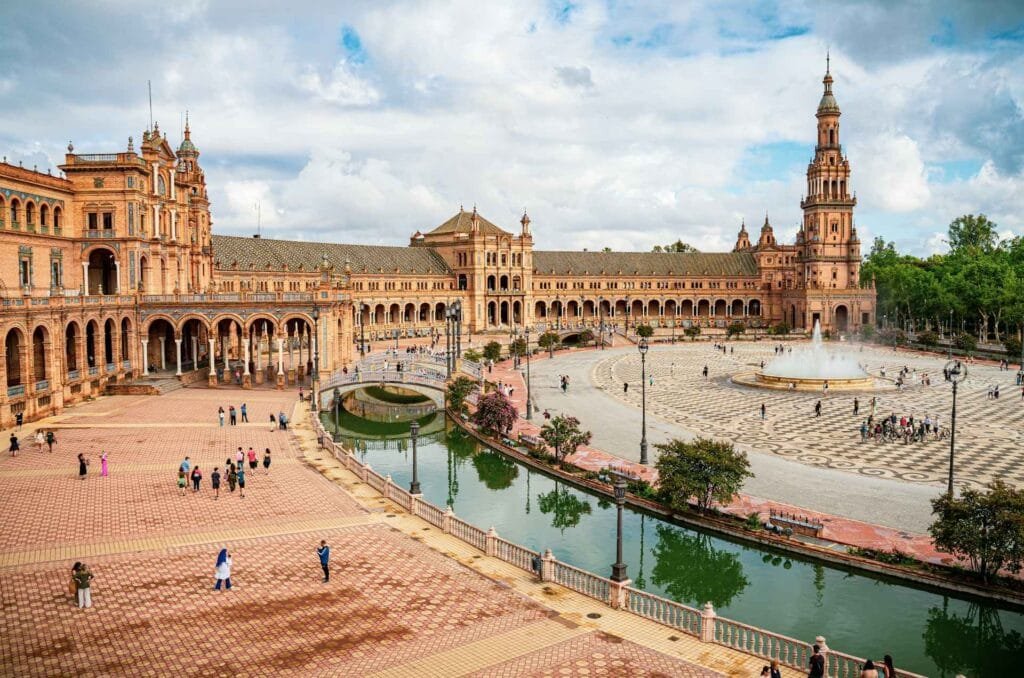
For raw natural beauty and unspoiled coastline, head east to Cabo de Gata-Níjar Natural Park. This volcanic landscape of hidden beaches, dramatic cliffs, and wind-shaped dunes feels like another planet.
Swim in Playa de los Genoveses, explore sea caves by kayak, or stargaze from the dark skies above the salt flats. Base yourself in San José, a charming fishing village turned bohemian retreat.
The arid beauty here has drawn filmmakers and artists alike — think spaghetti westerns and surreal serenity.
Carmona – A Time Portal Near Seville
Just 30 minutes from Seville, Carmona is a perfectly preserved time capsule that most tourists miss. Surrounded by Roman walls and dotted with Renaissance churches and Baroque palaces, this small town holds millennia of history.
Don’t miss the Alcázar del Rey Don Pedro, perched above the plains with panoramic views, or the atmospheric Necropolis Romana with tombs dating back over 2,000 years.
Carmona is quiet, elegant, and filled with charming courtyards where time slows and orange blossoms scent the air.
Grazalema – In the Heart of a Natural Park
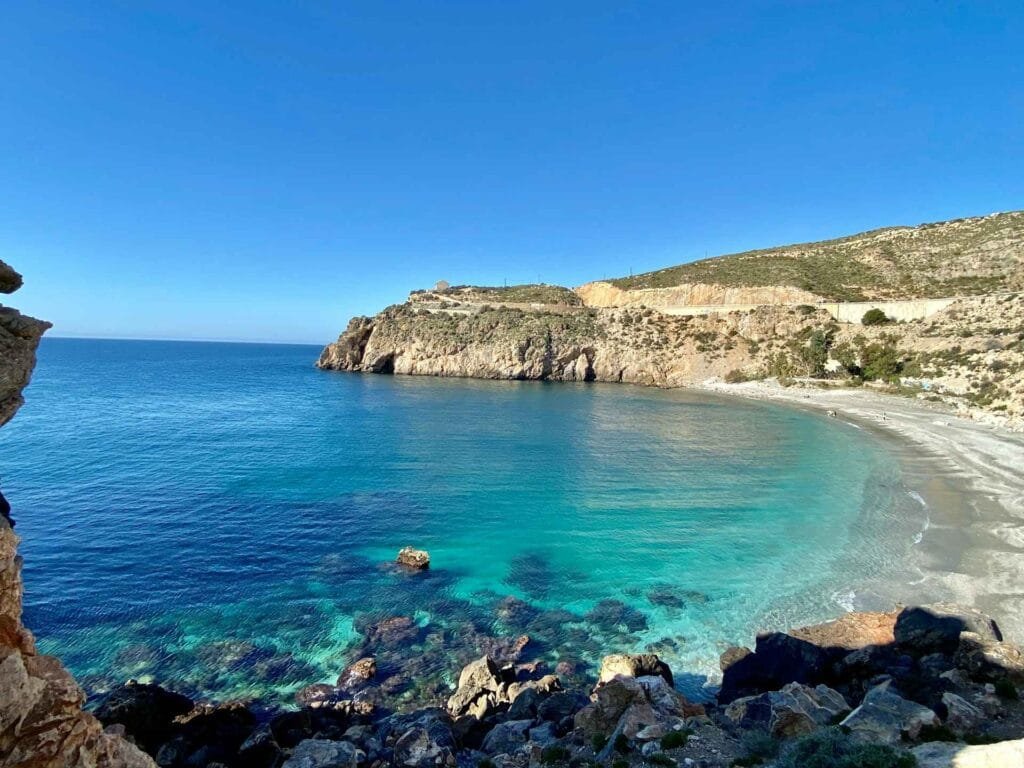
Nestled in the Sierra de Grazalema, this white village is surrounded by rugged peaks and forested trails. It’s one of the wettest spots in Spain — a blessing for nature lovers.
Base yourself here for hiking, especially the Garganta Verde trail, and spot griffon vultures circling above. The town itself offers artisan shops, cozy inns, and a peaceful central plaza.
This is the gateway to both adventure and tranquility, ideal for a rustic Andalusian escape.
Travel Tips for Exploring Hidden Andalusia
- Best Time to Visit: Spring (April–June) and Fall (September–October) offer ideal weather, fewer crowds, and blooming countryside.
- Getting Around: Rent a car for flexibility — many villages have limited public transport.
- Language: English is spoken in tourist areas, but learning basic Spanish phrases will help in remote villages.
- Stay Local: Opt for casas rurales (country homes), paradores, or small boutique hotels to support the local economy.
- Respect Siesta: Shops and restaurants often close in the afternoon; plan accordingly.
Why Andalusia’s Hidden Gems Are Worth the Journey
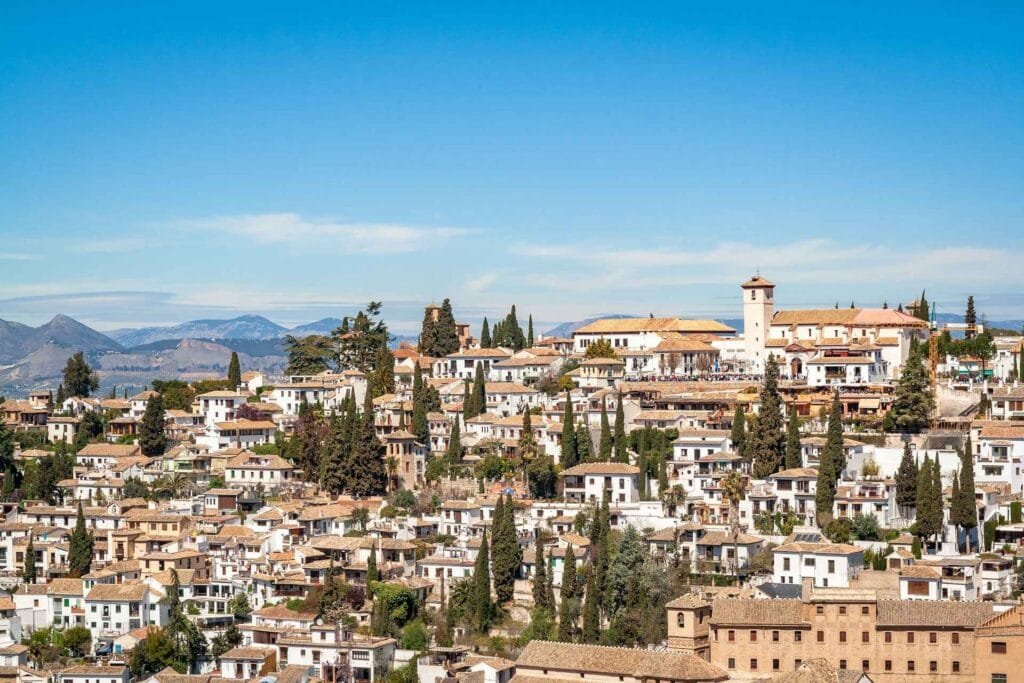
Famous destinations have their charm, but the real magic lies in discovering places where life still moves to the rhythm of the sun and the sound of flamenco guitars echo through empty streets. Andalusia’s hidden gems are not just destinations — they are invitations to connect, reflect, and wander slowly.
At Roam Traveller, we believe the best travel guide takes you to the heart of a place. And in Southern Spain, that heart beats strongest where the crowds don’t go.
FAQ: Exploring Andalusia’s Hidden Treasures
1. What is the best time to visit Andalusia’s lesser-known towns?
The best months are April–June and September–October. The weather is mild, flowers are in bloom, and you’ll avoid peak tourist crowds.
2. Can I explore these hidden gems without renting a car?
It’s possible, but not ideal. Many of these towns and parks have limited public transport. A car offers flexibility and allows you to reach more remote areas comfortably.
3. Is it safe to travel alone in Andalusia?
Yes, Andalusia is generally very safe, even for solo travelers. The small-town vibe, friendly locals, and strong community culture make it welcoming.
4. What foods should I try in rural Andalusia?
Don’t miss salmorejo (a thick tomato soup), jamón ibérico, fresh goat cheese, olives, and migas. Every town has its own local twist on Andalusian classics.
5. How many days should I spend exploring these offbeat places?
To truly enjoy the slower pace, aim for 7–10 days, combining a few nights in the mountains, coastal villages, and cultural towns.
Ready to roam beyond the map? Let Roam Traveller take you there — one hidden gem at a time.
Let me know if you’d like this blog formatted for WordPress, or if you want social media captions or an image gallery next!

