


INTRODUCTION
America’s vast landscapes offer some of the world’s most breathtaking driving experiences. From coastal highways to mountain passes, these best road trips in USA showcase the country’s diverse beauty and rich culture. Whether you’re seeking adventure, natural wonders, or cultural immersion, this comprehensive guide will help you plan the ultimate American road trip.
Planning the perfect road trip requires careful consideration of routes, destinations, and experiences. This guide covers everything from iconic coastal drives to hidden gems, helping you discover the best us road trip destinations and create memories that will last a lifetime. From pulling out the classic road atlas to using modern GPS navigation, the journey across America remains one of the world’s greatest travel adventures.
PACIFIC COAST HIGHWAY: CALIFORNIA’S ICONIC COASTAL JOURNEY
The Pacific Coast Highway stands as one of the coolest road trips in america, stretching along California’s dramatic coastline. This legendary route offers stunning ocean views, charming coastal towns, and unforgettable experiences that define what makes American road trips so special.
Route Overview
Distance: Approximately 655 miles from San Francisco to San Diego. Duration: 5-7 days recommended for a leisurely pace that allows you to truly absorb the coastal beauty. Best Time to Visit: April through October for optimal weather, though the coast remains beautiful year-round with its Mediterranean climate.
Must-Visit Stops Along the Way
San Francisco serves as the perfect starting point for this journey. Start your adventure in this iconic city with its famous Golden Gate Bridge and vibrant culture. Explore Fisherman’s Wharf, ride the historic cable cars through steep streets, and enjoy world-class dining in neighborhoods from Chinatown to the Mission District before heading south on Highway 1.
Big Sur represents the heart and soul of this drive, offering one of the most spectacular stretches of coastline in the entire world. McWay Falls cascades directly onto a pristine beach, Bixby Bridge arches gracefully over a deep canyon, and Pfeiffer Beach features unique purple sand. The rugged cliffs meeting the Pacific Ocean create postcard-perfect moments at every turn. Stop at Julia Pfeiffer Burns State Park, take the short hike to McWay Falls overlook, and watch the waterfall tumble onto the beach below.
Santa Barbara, known as the American Riviera, offers Spanish colonial architecture, pristine beaches, and excellent wine tasting in the nearby Santa Ynez Valley. The Mediterranean climate and red-tile roofs transport you to coastal Spain. Stroll down State Street, visit the historic mission, and relax on East Beach while watching sailboats glide across the harbor.
Los Angeles concludes your journey in the entertainment capital of the world. Visit world-famous beaches from Malibu to Venice, explore Hollywood and the Walk of Fame, experience the diverse culture of neighborhoods like Koreatown and Little Tokyo, and enjoy sunset from the Griffith Observatory with views spanning from downtown to the Pacific Ocean.
Planning Tips for Success
Book accommodations in advance, especially during summer months when coastal hotels fill quickly. Consider staying in smaller coastal towns like Cambria, Carmel-by-the-Sea, or Cayucos for a more intimate experience away from tourist crowds. Don’t rush through this journey—this is one of those best road trips in the usa that deserves to be savored. Allow time for spontaneous stops at viewpoints, beach walks, and local restaurants that catch your eye.
ROUTE 66: THE MAIN STREET OF AMERICA
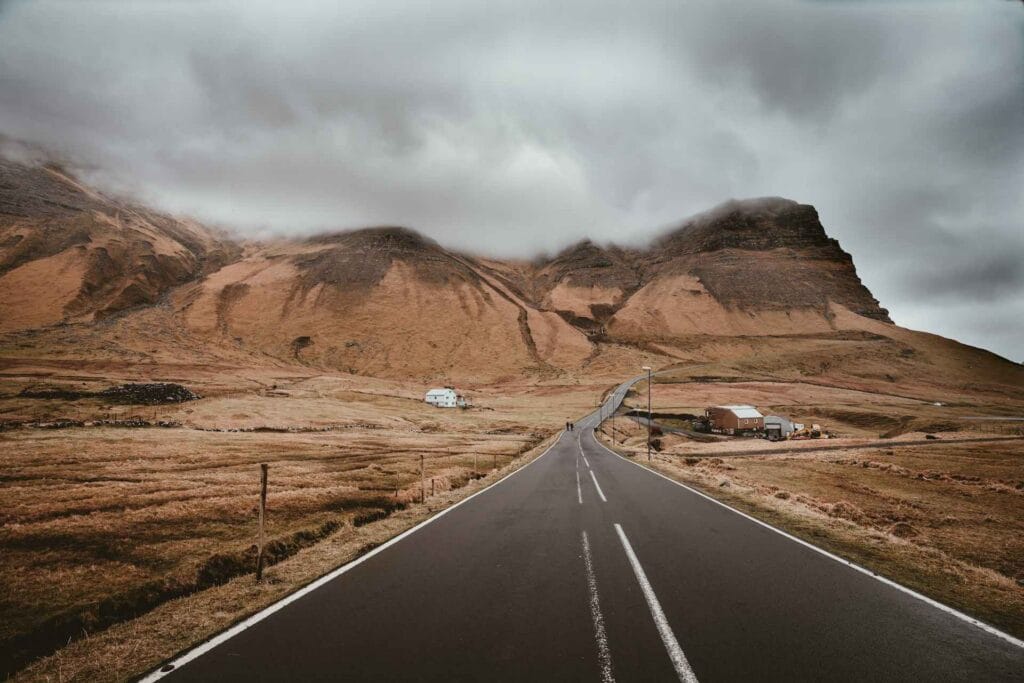
No list of best american road trips would be complete without the legendary Route 66. This historic highway represents the quintessential American road trip experience, stretching 2,448 miles from Chicago to Santa Monica and passing through eight states.
Historical Significance
Route 66 served as a major path for migrants during the Dust Bowl of the 1930s and became a symbol of American freedom and prosperity in the post-war era. Established in 1926, it was one of the original highways in the U.S. Highway System. Today, it offers a nostalgic journey through small-town America, with vintage diners, classic motels, quirky roadside attractions, and genuine Americana that transport you back in time.
Key Destinations Along the Route
Chicago, Illinois marks the beginning of this cross country road trip. Begin your journey in this architectural marvel, exploring the city’s rich history, world-class museums like the Art Institute of Chicago, and deep-dish pizza culture before hitting the open road westward.
St. Louis, Missouri welcomes travelers with the iconic Gateway Arch, standing 630 feet tall as a monument to westward expansion. Explore the city’s vibrant neighborhoods, sample St. Louis-style BBQ, and learn about the city’s blues heritage in clubs along the riverfront.
Amarillo, Texas brings authentic Texan culture to your journey. Experience wide-open spaces, massive steaks at the Big Texan Steak Ranch, and don’t miss the famous Cadillac Ranch art installation where ten Cadillacs stand buried nose-first in the ground, covered in colorful graffiti that visitors are encouraged to add to.
Albuquerque, New Mexico offers a blend of Native American culture, Spanish colonial heritage, and stunning desert landscapes. Visit Old Town with its adobe buildings and galleries, ride the Sandia Peak Tramway for panoramic views, and explore the rich artistic community that thrives here.
Flagstaff, Arizona serves as your gateway to the Grand Canyon and is surrounded by the largest ponderosa pine forest in the world. The historic downtown preserves Route 66 heritage with vintage neon signs and classic diners. This high-altitude town offers cooler temperatures and four-season recreation.
Santa Monica, California provides the triumphant ending to your journey. Celebrate at the famous Santa Monica Pier, where a plaque marks the official western terminus of Route 66. Walk along the beach, enjoy the Pacific Ocean sunset, and reflect on the incredible journey you’ve completed.
What Makes It Special
This route offers a unique glimpse into American history and culture that few other road trip destinations can match. The journey showcases how the country evolved throughout the 20th century, with preserved sections of the original highway, vintage gas stations still pumping fuel, and family-owned businesses that have served travelers for generations. The slower pace of the old road, compared to modern interstates, allows you to connect with local communities and discover the heart of America.
BLUE RIDGE PARKWAY: AMERICA’S FAVORITE DRIVE
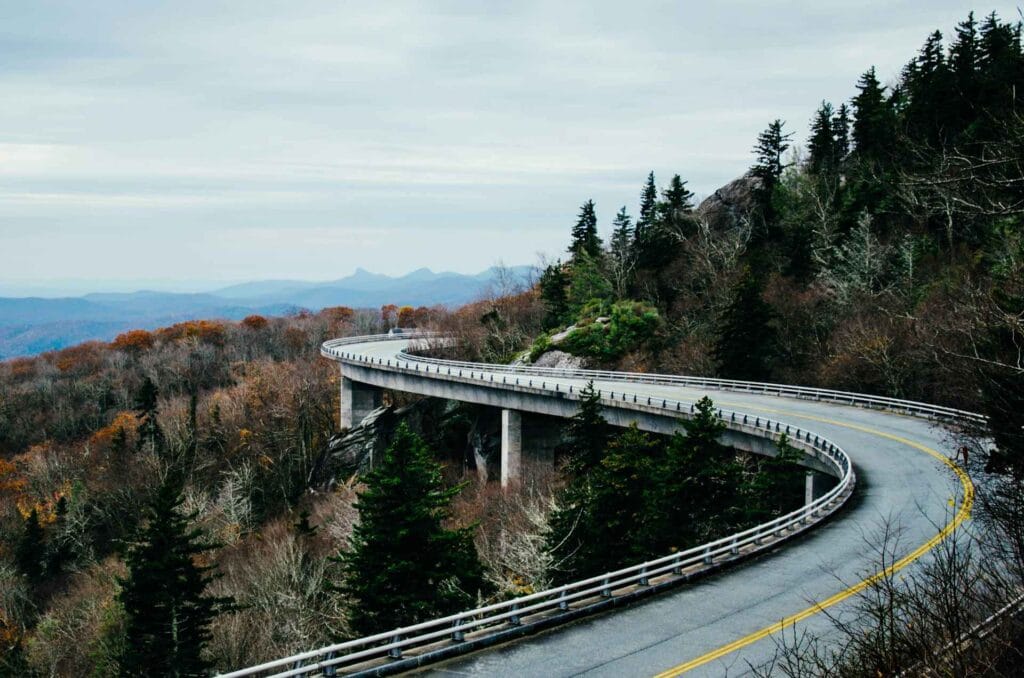
The Blue Ridge Parkway ranks among the best us road trip destinations, offering 469 miles of stunning mountain scenery through Virginia and North Carolina. This scenic byway, constructed during the Great Depression as a public works project, is especially spectacular during fall foliage season when millions of visitors come to witness nature’s colorful display.
Seasonal Highlights Throughout the Year
Spring arrives in waves from April through May, with wildflowers blooming in abundance and carpeting the mountainsides with color. Azaleas and rhododendrons create spectacular pink and white displays at varying elevations. Lower elevations bloom first, with the color moving upward as temperatures warm. Dogwoods add delicate white blooms throughout the forest, while mountain laurel creates dense thickets of flowers in late spring.
Summer months from June through August bring lush greenery and comfortable temperatures that make this ideal for hiking and outdoor activities. The parkway’s elevation provides natural air conditioning, with temperatures typically 10-15 degrees cooler than surrounding lowlands. However, expect more crowds during peak season, especially on weekends. Afternoon thunderstorms are common, so plan morning hikes and drives.
Fall season from September through October represents the most popular time to visit, when the parkway becomes a living canvas of red, orange, gold, and burgundy. The changing leaves create an ever-shifting palette that varies by elevation and tree species. Peak color typically occurs in mid-October at higher elevations and late October at lower points. Book accommodations months in advance for this peak period, as hotels and campgrounds fill quickly.
Winter months from November through March see some sections close due to weather and ice, but accessible areas offer peaceful solitude and occasional snow-covered vistas. The bare trees reveal long-distance views impossible to see during leafy seasons. Visitor facilities operate on reduced schedules, but the lack of crowds appeals to those seeking quiet contemplation.
Notable Stops and Attractions
Shenandoah National Park at the northern gateway offers excellent hiking trails and stunning overlooks along Skyline Drive, which connects seamlessly with the Blue Ridge Parkway. Hike to Dark Hollow Falls, one of the park’s most accessible waterfalls, or tackle the more challenging Old Rag Mountain for 360-degree views.
Grandfather Mountain features the famous Mile High Swinging Bridge, suspended 5,280 feet above sea level and spanning an 80-foot chasm. The mountain showcases diverse ecological zones from hardwood forests at the base to alpine tundra at the summit. The nature museum explains the unique environment, and wildlife habitats house native animals including black bears, river otters, and cougars.
Asheville, North Carolina serves as the parkway’s cultural hub, a vibrant mountain city known for craft breweries, thriving arts scene, and the magnificent Biltmore Estate. George Vanderbilt’s 250-room mansion, completed in 1895, remains America’s largest private home. The River Arts District features hundreds of artists working in converted industrial spaces, welcoming visitors into their studios.
Great Smoky Mountains National Park at the southern terminus provides access to America’s most visited national park. The park straddles the North Carolina-Tennessee border and showcases incredible biodiversity with abundant wildlife and historical sites preserving Appalachian culture. Cades Cove offers an 11-mile loop through a historic valley with preserved homesteads, churches, and frequent wildlife sightings including black bears and white-tailed deer.
Outdoor Activities and Recreation
The parkway offers over 100 hiking trails ranging from easy quarter-mile walks to challenging mountain climbs. Popular hikes include the Rough Ridge Trail with its barrier-free boardwalk to stunning views, Crabtree Falls for waterfall enthusiasts, and the Mountains-to-Sea Trail for long-distance trekkers. Wildflower viewing peaks in spring, while wildlife watching opportunities exist year-round. Photography enthusiasts find endless subjects from intimate wildflower portraits to sweeping mountain vistas. The slower pace and absence of commercial development make this one of the best places to road trip in the us for nature lovers seeking escape from modern life’s frenzy.
OVERSEAS HIGHWAY TO THE FLORIDA KEYS: TROPICAL PARADISE DRIVE
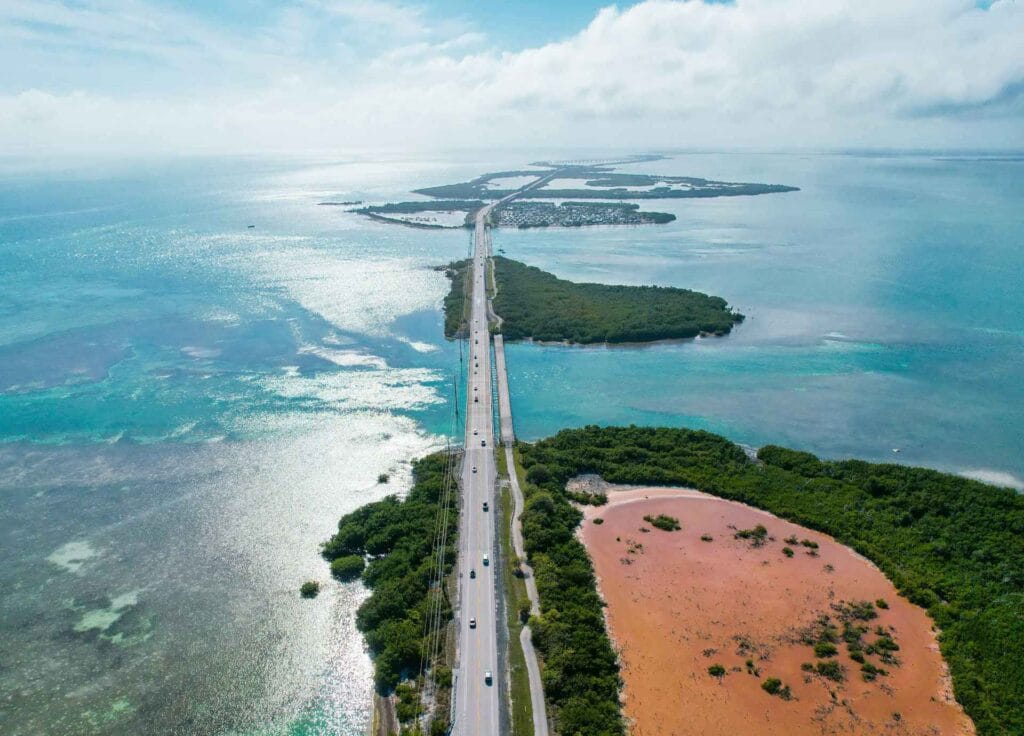
The Overseas Highway connects mainland Florida to Key West through a chain of tropical islands, creating one of the most unique cool road trips in the us. The 113-mile journey crosses 42 bridges, including the famous Seven Mile Bridge, with turquoise water visible on both sides for much of the drive.
Island Hopping Experience
Key Largo serves as the first major key and offers world-class diving and snorkeling at John Pennekamp Coral Reef State Park, the first underwater park in the United States. The crystal-clear waters reveal colorful coral formations and tropical fish including parrotfish, angelfish, and barracuda. Glass-bottom boat tours provide reef views without getting wet, while diving excursions take you to the Christ of the Abyss statue submerged 25 feet underwater.
Islamorada, known as the sport fishing capital of the world, comprises a village of several islands offering excellent fishing charters for tarpon, bonefish, and permit. Beautiful sunsets at Robbie’s Marina attract visitors and massive tarpon that swim right up to the dock to be hand-fed. The area’s laid-back vibe and excellent seafood restaurants make it a favorite stop for those seeking authentic Keys culture.
Marathon marks the midpoint of your journey and is home to the famous Seven Mile Bridge, an engineering marvel offering unobstructed ocean views in every direction. The Turtle Hospital provides rehabilitation for injured sea turtles and educational tours explaining conservation efforts. Curry Hammock State Park offers kayaking through mangrove forests and camping with waterfront views.
Big Pine Key hosts the National Key Deer Refuge, established to protect the endangered miniature deer species found nowhere else in the world. These diminutive deer, standing only about two feet tall at the shoulder, evolved to survive on limited fresh water and food sources. Walk the trails in early morning or evening for the best viewing opportunities, and observe speed limits as vehicle strikes pose a major threat to the population.
Key West marks the southernmost point in the continental United States. The island’s unique character blends Bahamian, Cuban, and American influences into a distinctive culture. Historic Duval Street offers shopping, dining, and nightlife. Visit Ernest Hemingway’s home, now a museum populated by polydactyl (six-toed) cats descended from the author’s original pets. The famous sunset celebration at Mallory Square features street performers, artists, and food vendors as the sun dips below the horizon.
Water Activities and Marine Life
The Keys function as a water sports paradise with activities for all skill levels. Snorkeling and diving reveal vibrant coral reefs teeming with tropical fish, sea turtles, and occasional dolphin encounters. The clear warm water and shallow depths make it ideal for beginners. Kayaking through mangrove tunnels provides intimate encounters with marine life including manatees, herons, and juvenile fish using the mangroves as nurseries. Deep-sea fishing expeditions target marlin, sailfish, mahi-mahi, and tuna in the deep waters of the Atlantic and Gulf.
Cultural Experiences and Local Life
Ernest Hemingway’s legacy permeates Key West, from his former home to the numerous bars he frequented, particularly Sloppy Joe’s which claims to be his favorite watering hole. The island’s unique blend of Caribbean and American culture creates a laid-back atmosphere perfect for relaxation. Conch fritters, key lime pie, and fresh stone crab represent local culinary specialties you must try. The Fantasy Fest in October brings costumed revelry, while the Sunset Celebration happens nightly year-round, embodying the Keys’ celebration of life’s simple pleasures.
GREAT RIVER ROAD: FOLLOWING THE MIGHTY MISSISSIPPI
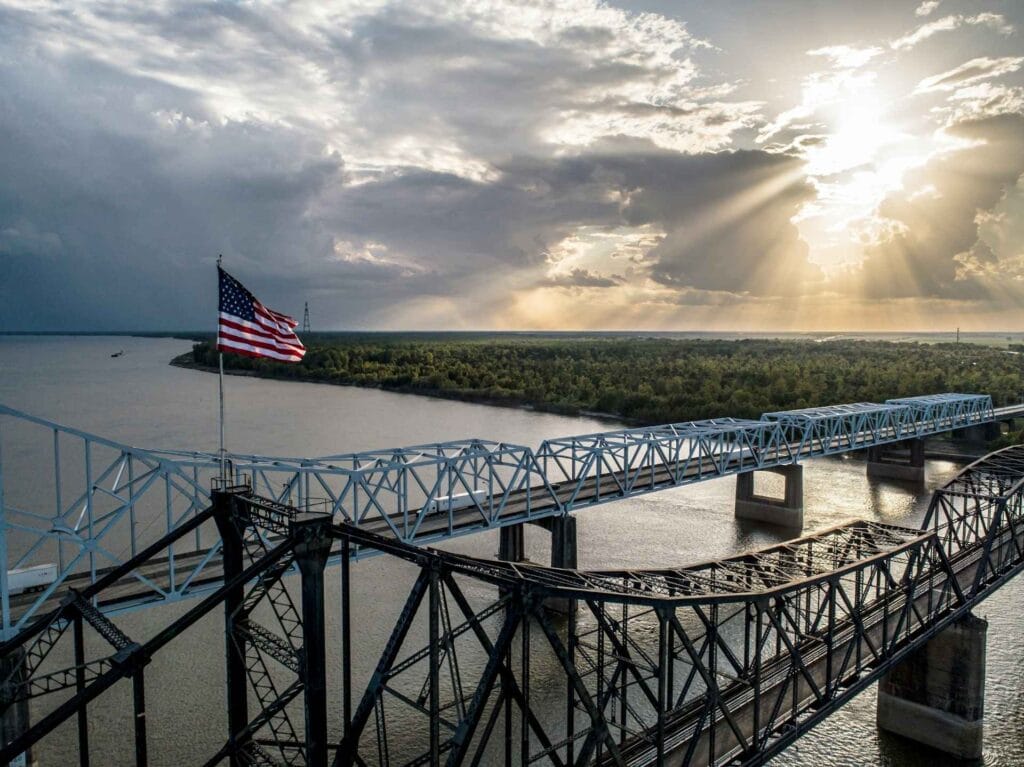
Spanning approximately 3,000 miles from Minnesota to Louisiana, the Great River Road parallels the mighty Mississippi River, offering diverse landscapes and rich American history. This epic journey qualifies as one of the best us road trips for history and culture enthusiasts, passing through ten states and showcasing how the river shaped American development.
Northern Section: Headwaters to Prairie
Minneapolis-St. Paul, Minnesota marks the start in the river’s headwaters region. Explore the Twin Cities’ cultural attractions including the Walker Art Center, Minneapolis Institute of Art, and vibrant downtown areas. The river here is narrow enough to walk across on stepping stones at Itasca State Park, a dramatic contrast to the mile-wide waterway it becomes downstream.
Wisconsin Dells features unique sandstone formations carved by glacial meltwater. The area now balances natural beauty with family-friendly attractions including water parks and boat tours through narrow canyons. The scenic bluffs and forested landscapes showcase the Upper Mississippi’s character.
Dubuque, Iowa presents a historic river town with Victorian architecture perched on bluffs overlooking the water. The National Mississippi River Museum & Aquarium provides comprehensive education about the river’s ecology, history, and importance. Ride the Fenelon Place Elevator, one of the world’s shortest and steepest scenic railways, for panoramic river views.
Central Section: Industrial Heritage and Literary History
The Quad Cities area straddles Iowa and Illinois, comprising Davenport and Bettendorf in Iowa, and Rock Island and Moline in Illinois. This region showcases river history and industrial heritage, with museums dedicated to riverboat culture and the agricultural implements manufactured here that helped settle the prairie.
Hannibal, Missouri preserves Mark Twain’s boyhood home and the settings that inspired Tom Sawyer and Huckleberry Finn. Tour the author’s childhood house, explore the cave that appears in his novels, and ride a replica paddlewheel riverboat. The town embraces its literary heritage while maintaining authentic small-town character.
St. Louis, Missouri features the iconic Gateway Arch symbolizing westward expansion. Ride to the top of this 630-foot stainless steel monument for views spanning the river and city. The city’s rich musical heritage includes blues, jazz, and ragtime traditions. Forest Park, larger than Central Park in New York, houses world-class museums including the Art Museum and Science Center, all with free admission.
Southern Section: Blues, Antebellum History, and Cajun Culture
Memphis, Tennessee represents the birthplace of blues and rock ‘n’ roll. Beale Street pulses with live music nightly, while Sun Studio offers tours of the legendary recording space where Elvis Presley, Johnny Cash, and Jerry Lee Lewis launched their careers. Graceland, Elvis’s mansion, draws fans from around the world. Don’t leave without sampling authentic Memphis BBQ, particularly the city’s famous dry-rubbed ribs.
Natchez, Mississippi preserves antebellum architecture and Southern heritage in one of the oldest settlements on the river. Magnificent plantation homes line the bluffs, many offering tours that explore both the grandeur and the uncomfortable history of slavery that made such wealth possible. The Natchez Trace Parkway begins here, offering another scenic driving option.
New Orleans, Louisiana provides a triumphant ending to your journey where the river meets the Gulf of Mexico. This vibrant city blends French, African, Spanish, and American cultures into a unique experience. Jazz music fills the French Quarter, while Creole and Cajun cuisine represents some of America’s most distinctive regional food. Experience Mardi Gras celebration if visiting in late winter, or enjoy the city’s festivals, second-line parades, and streetcar rides any time of year.
River Culture and Ecology
The Mississippi River functions as a critical flyway for migratory birds, with millions passing through annually. The river’s importance to American commerce, from early explorers to modern barge traffic, shaped the nation’s development. Lock and dam systems allow you to watch boats navigate elevation changes. Riverboat cruises from various cities provide different perspectives on the waterway and its ecosystems.
OLYMPIC PENINSULA LOOP, WASHINGTON: PACIFIC NORTHWEST WONDER
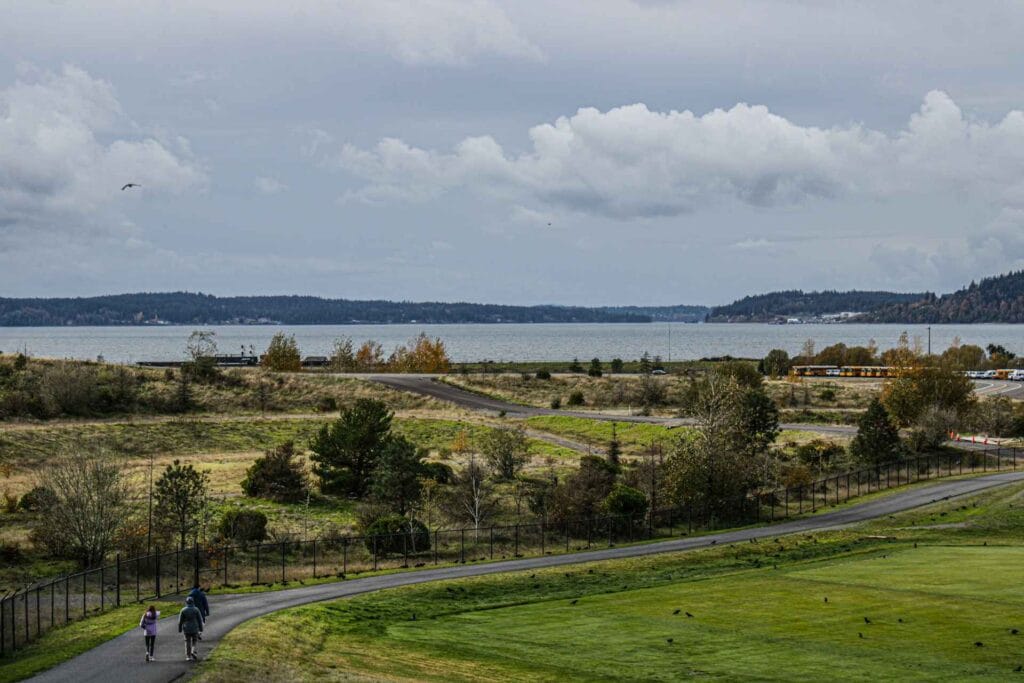
The Olympic Peninsula offers one of the most diverse road trip destinations in the us, combining temperate rainforests, alpine mountains, and rugged Pacific coastline within a compact 300-mile loop. This concentration of ecosystems found nowhere else in the Lower 48 creates opportunities for incredible variety within a single journey.
Ecosystem Diversity
Olympic National Park encompasses three distinct ecosystems rarely found in such proximity. The temperate rainforest receives over 140 inches of rainfall annually, creating moss-draped forests of massive Sitka spruces and western hemlocks. Alpine mountains rise to nearly 8,000 feet with glaciers, wildflower meadows, and dramatic peaks. The wild Pacific coastline features sea stacks, tide pools teeming with marine life, and beaches strewn with driftwood sculptures created by storms and tides. This diversity allows you to experience multiple environments without driving long distances between them.
Hoh Rainforest: Entering an Enchanted World
The Hoh Rainforest represents one of the few temperate rainforests in the world, creating an otherworldly atmosphere unlike any other American landscape. Massive Sitka spruces and western hemlocks draped with club moss reach heights over 300 feet. Roosevelt elk, the largest land mammals in the park, frequently graze in the river valley. The Hall of Mosses trail offers an easy 0.8-mile loop through the heart of this magical forest, while the Hoh River Trail extends 17 miles to Blue Glacier for serious backpackers.
Hurricane Ridge: Alpine Splendor
Rising 5,242 feet above sea level, Hurricane Ridge provides panoramic views of the Olympic Mountains and, on clear days, glimpses of the Cascade Range and Canada’s Vancouver Island. In summer, wildflower meadows explode with lupine, paintbrush, and avalanche lilies creating colorful carpets across subalpine slopes. Black-tailed deer and Olympic marmots are commonly spotted. Winter transforms the area into a snowy wonderland perfect for snowshoeing, skiing, and sledding at the small ski area, one of the few ski resorts inside a national park.
Coastal Exploration and Beaches
Ruby Beach showcases the wild Pacific coastline with dramatic sea stacks rising from the surf, including the iconic Abbey Island. The beach gets its name from the garnet sand that gives it a reddish hue. Tide pools reveal starfish, anemones, sea urchins, and small crabs. Driftwood logs, some massive old-growth trees washed down rivers and deposited by ocean currents, create natural sculptures and seating for sunset watching.
Rialto Beach features more dramatic sea stacks including the famous Hole-in-the-Wall, a natural arch you can walk through at low tide. The two-mile hike north leads to this popular landmark, passing tide pools and ocean views. Winter storms bring some of the most dramatic scenery as massive waves crash against the rocks, though visitors should exercise extreme caution near the water during these conditions.
The dramatic scenery and accessible trails make this one of the best road trips in the usa for photographers seeking diverse subjects from intimate rainforest details to sweeping coastal panoramas.
Port Townsend: Victorian Seaport Charm
This Victorian seaport offers charming downtown shops, art galleries, and maritime history in beautifully preserved 19th-century buildings. The well-preserved architecture earned it designation as a National Historic Landmark District. The town balances tourist amenities with authentic Pacific Northwest character. Fort Worden State Park features historic military fortifications, beaches, and the Point Wilson Lighthouse. Annual events include the Wooden Boat Festival celebrating traditional maritime craftsmanship.
UTAH’S MIGHTY 5 NATIONAL PARKS CIRCUIT

Utah’s concentration of national parks creates one of the best road trip through the states for outdoor enthusiasts and geology lovers. The circuit covers approximately 850 miles, showcasing five distinct parks with otherworldly landscapes that seem more fitting for another planet than Earth.
Zion National Park: Towering Sandstone Sanctuary
Towering sandstone cliffs in shades of cream, pink, and red dominate Zion’s landscape, rising up to 2,000 feet above the valley floor. Angels Landing ranks among America’s most iconic hikes, a challenging 5.4-mile round trip with chains bolted into rock helping hikers navigate the exposed final ridge. The views from the top span the entire canyon. The Narrows offers a completely different experience—hiking through the Virgin River in a slot canyon with walls soaring thousands of feet above the narrow waterway. Expect to wade through water, sometimes chest-deep, but the otherworldly beauty justifies the effort.
The Virgin River carved these deep canyons through Navajo sandstone over millions of years, creating dramatic scenery around every turn. The Zion-Mount Carmel Highway tunnels through solid rock and passes through remarkable landscape transitions. Spring and fall offer the best weather, while summer brings extreme heat and winter ice in the higher elevations.
Bryce Canyon National Park: Hoodoo Wonderland
Hoodoos—tall, thin spires of rock shaped by freeze-thaw cycles over millions of years—create an alien landscape best viewed at sunrise or sunset when warm light makes them appear to glow. The amphitheater of rock formations creates a natural theater of orange, red, and white pinnacles. Despite its name, Bryce is actually a collection of natural amphitheaters rather than a true canyon.
The Rim Trail offers easy walking with stunning views, while the Navajo Loop and Queen’s Garden trails descend into the hoodoo forest for an up-close perspective. Walking among these towering spires provides a completely different experience than viewing from above. The park’s high elevation (8,000-9,000 feet) means cooler temperatures than surrounding areas and spectacular stargazing opportunities. Winter snow dusting the red rocks creates particularly photogenic conditions.
Capitol Reef National Park: The Hidden Gem
Often overlooked by visitors rushing between the more famous parks, Capitol Reef offers solitude and stunning geology without the crowds. The Waterpocket Fold, a 100-mile wrinkle in the Earth’s crust, creates diverse landscapes from narrow slot canyons to soaring cliffs. Historic orchards planted by Mormon settlers in the late 1800s still produce fruit—cherries, apricots, peaches, and apples—available for visitors to pick for a small fee during harvest season.
The scenic drive along Highway 24 passes through impressive canyon walls and geological formations. Petroglyphs left by the Fremont people hundreds of years ago adorn cliff walls near the Fruita Historic District. Hiking opportunities range from easy walks to challenging backcountry routes through remote canyons rarely visited.
Arches National Park: Natural Stone Sculptures
Home to over 2,000 natural stone arches, this park showcases erosion’s artistic power more dramatically than anywhere else on Earth. Delicate Arch, the state’s most recognized landmark appearing on Utah license plates, requires a challenging 3-mile round trip hike but rewards with views of this iconic 52-foot freestanding arch framing the La Sal Mountains in the distance.
The red rock landscape transforms dramatically throughout the day as light and shadow play across the formations. Sunrise and sunset provide the most dramatic lighting. Landscape Arch spans 306 feet, making it one of the world’s longest natural arches. The Windows Section concentrates multiple large arches within easy walking distance, ideal for families. The park’s accessibility via paved roads makes many arches visible from viewpoints without hiking.
Canyonlands National Park: Rivers and Canyons
The Colorado and Green Rivers divide this immense park into distinct districts, each offering unique experiences. Island in the Sky, the most accessible district, sits atop a massive mesa providing expansive vistas over thousands of square miles of canyons. Grand View Point offers breathtaking panoramas, while Mesa Arch frames perfect sunrise views.
The Needles district features colorful spires and canyons perfect for backpacking and more remote exploration. Less crowded than Island in the Sky, it offers intimate canyon experiences. The remote Maze district challenges experienced adventurers with primitive roads and true wilderness requiring self-sufficiency and navigation skills.
Upheaval Dome presents a mysterious geological formation—a massive crater-like structure whose origin (impact crater or salt dome collapse) remains debated. White Rim Road, a 100-mile dirt road below Island in the Sky, attracts mountain bikers and 4WD enthusiasts for multi-day adventures.
Planning Considerations for Success
Spring (April-May) and fall (September-October) offer ideal temperatures for hiking and exploring. Summer can be extremely hot, especially in lower elevation areas like Moab, where temperatures regularly exceed 100°F. Adequate water, sun protection, and early morning starts become essential. Winter brings cold temperatures and occasional snow, though lower elevations remain accessible.
Book campsites and lodging well in advance, particularly in Moab which serves as the base for Arches and Canyonlands. Consider staying in smaller towns like Torrey (near Capitol Reef) or Springdale (near Zion) for a quieter experience. Reservations for popular campgrounds should be made six months ahead for peak season.
This circuit represents one of the coolest road trips in the us for geology enthusiasts, photographers, and anyone seeking landscapes that challenge your sense of reality. The red rock formations, carved by wind and water over millions of years, create scenery found nowhere else on the planet.
CONCLUSION: MAKING THE MOST OF YOUR AMERICAN ROAD TRIP
The best road trips in USA offer something for every traveler, from coastal journeys to mountain adventures, from historic routes to natural wonders that defy description. Whether you’re planning cool road trips in the us focused on national parks, best american road trips celebrating cultural heritage, or simple road trip destinations near me for a quick weekend getaway, America’s diverse landscape provides endless possibilities limited only by available time and imagination.
The key to a successful road trip lies in balancing careful planning with openness to spontaneity. Research enough to avoid serious pitfalls—closed roads, booked accommodations, or dangerous weather—but leave room for serendipitous discoveries that often become the most cherished memories. The roadside diner with amazing pie that doesn’t appear in any guidebook, the scenic overlook you stopped at on impulse, the friendly locals who share hidden gems they’ve known since childhood—these unexpected moments define great road trips.
As you explore these best us road trip destinations, remember that the journey itself is the destination, not just the famous landmarks you tick off your list. Take time to stop at viewpoints even when you’re behind schedule, chat with locals at small-town diners and gas stations, try regional specialties that sound strange, and wander off the beaten path when something catches your interest. The coolest road trips in america aren’t just about checking off landmarks but about immersing yourself in the diverse tapestry of American landscape and culture found between those famous spots.
Technology provides navigation and information unprecedented in history, but don’t let screens dominate the experience. Look out the window, pull over when something interesting appears, and put the phone down to actually see where you are. Talk with your travel companions, listen to local radio stations, and experience places with all your senses rather than through a camera screen.
Start planning your adventure today. Whether you’re drawn to a cross country road trip spanning thousands of miles over weeks, or prefer exploring best road trips near me in your own region over long weekends, the open road awaits with infinite possibilities. Pack your vehicle with essentials, download some road trip playlists that capture the adventure spirit, create a flexible itinerary that allows for spontaneity, and set out to discover why the american road trip remains one of the world’s greatest travel experiences.
From the road atlas that helped generations navigate before GPS to the latest navigation apps providing real-time updates, from vintage roadside motels preserving mid-century character to modern hotels with every amenity, from national parks protecting pristine wilderness to small towns preserving local culture, these routes showcase the incredible diversity and beauty that makes the United States a road trip paradise. Your perfect adventure is out there waiting—all you need to do is turn the key, adjust the mirrors, and start driving toward the horizon.
The freedom of the open road, the anticipation of what lies around the next curve, the satisfaction of discovering something unexpected, and the memories created with travel companions make road trips irreplaceable experiences that no other form of travel quite matches. Whether traveling solo for self-discovery, with family for bonding, or with friends for shared adventure, the road offers something unique to each journey.
So embrace the spirit of adventure, respect the places and people you encounter, drive safely, and create your own story on America’s highways and byways. The best road trips in the USA aren’t found only in guidebooks or on social media—they’re the ones you experience yourself, with all the perfections and imperfections, planned moments and spontaneous detours, that make them uniquely yours. Safe travels and enjoy the journey.

