

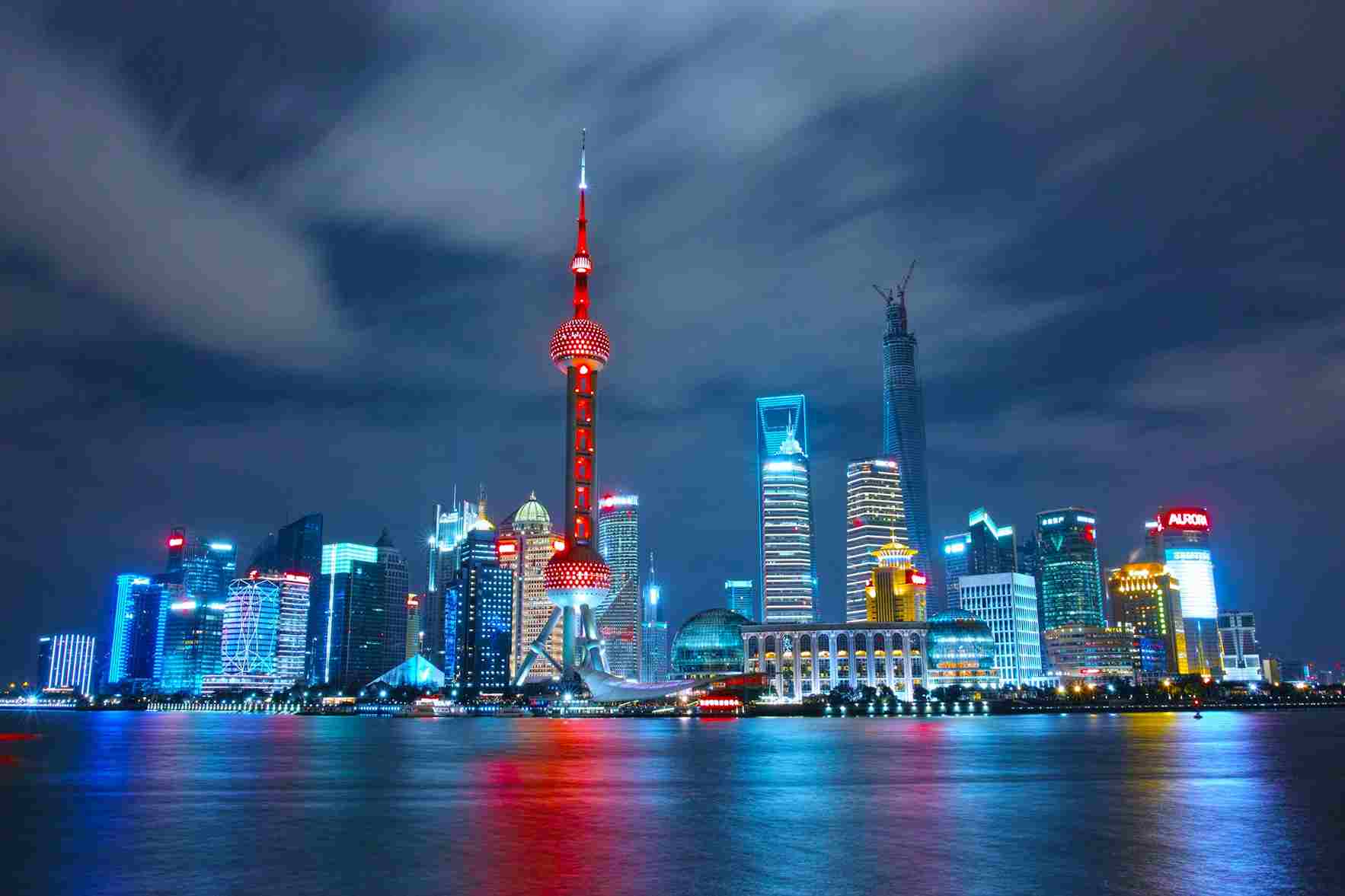
China is a vast country where ancient history meets modern innovation, offering unforgettable experiences at every turn. While this massive nation has countless attractions, these five destinations consistently rank as the most popular and essential stops for any China itinerary. Whether you’re a first-time visitor or returning traveler, these places showcase the very best of Chinese culture, history, and natural beauty.
Beijing – The Imperial Capital
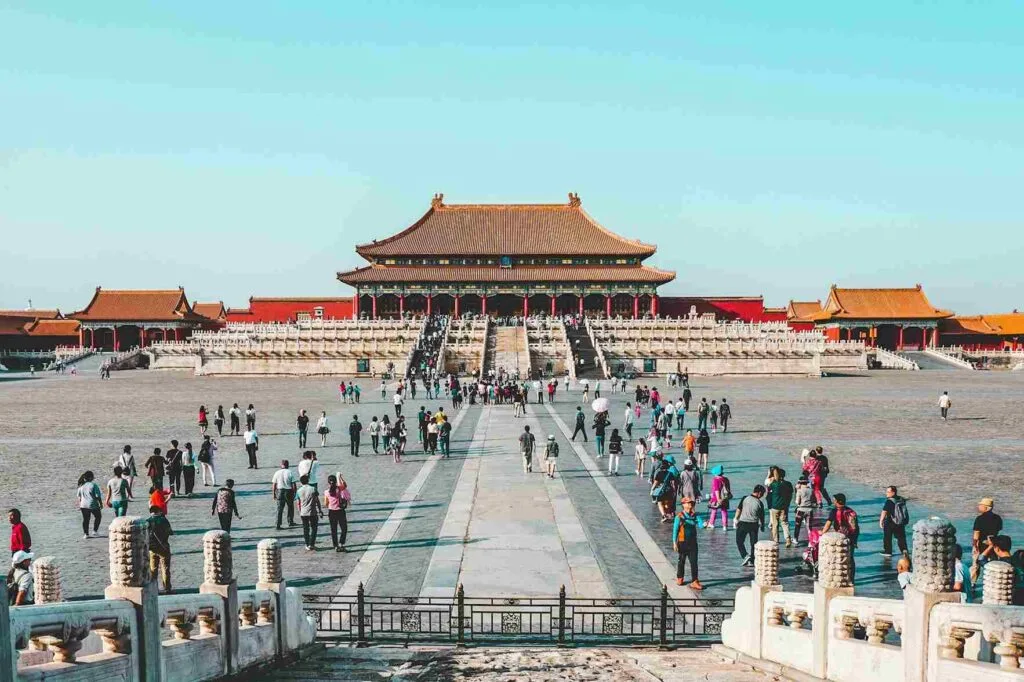
Why Visit: Beijing stands as China’s political and cultural heart, home to some of the world’s most iconic landmarks and the top destination for international visitors.
Must-See Attractions
The Great Wall of China
No trip to China is complete without experiencing this ancient wonder. The Mutianyu and Jinshanling sections offer breathtaking views with manageable crowds. Take the cable car up and hike down for the best experience, allowing 4-5 hours for your visit.
The Forbidden City
This massive imperial palace complex served 24 emperors across 500 years. With nearly 10,000 rooms across 180 acres, this UNESCO World Heritage site requires at least half a day to explore properly. Arrive early to beat the crowds and book tickets online in advance.
Temple of Heaven
Built in 1420, this architectural masterpiece showcases imperial religious practices. Visit in early morning to watch locals practicing tai chi and traditional exercises in the surrounding park—it’s like stepping into a living cultural experience.
Traditional Hutongs
Explore Beijing’s ancient alleyways by rickshaw or bicycle. These narrow lanes reveal authentic Beijing life, featuring courtyard homes, family-run restaurants, and traditional shops that have existed for generations.
Practical Information
Best Time to Visit: April-May and September-October offer comfortable weather with clear skies
Recommended Duration: 3-4 days
Getting There: Beijing Capital International Airport; excellent metro system within the city
Where to Stay: Dongcheng and Xicheng districts for proximity to major attractions
Don’t Miss: Authentic Peking duck at Quanjude or Da Dong restaurant—this crispy delicacy is Beijing’s signature dish and a culinary experience you won’t forget.
Shanghai – Where East Meets West
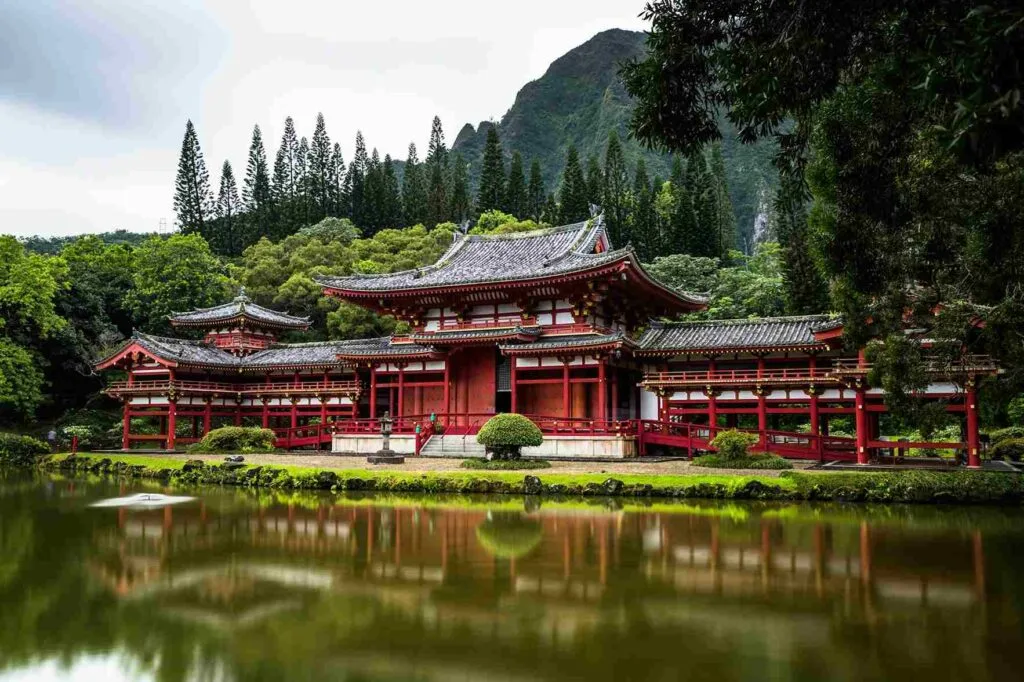
Why Visit: Shanghai dazzles with its stunning contrast between colonial architecture and futuristic skyscrapers, making it China’s most cosmopolitan and internationally visited city.
Must-See Attractions
The Bund
This iconic waterfront promenade showcases 52 colonial-era buildings with spectacular views of Pudong’s modern skyline. Visit at sunset for magical photography opportunities, then stay for the evening light show.
Yu Garden
Dating back to the Ming Dynasty, this classical Chinese garden offers peaceful pavilions, koi ponds, and intricate rockwork. It’s a serene oasis amid the bustling city where you can experience traditional Chinese landscape design.
Shanghai Tower
At 632 meters, this is China’s tallest building. The observation deck on the 118th floor provides jaw-dropping panoramic views that showcase the city’s incredible scale and development.
Nanjing Road
One of the world’s busiest shopping streets extends 5.5 kilometers, featuring everything from luxury international brands to traditional Chinese shops and incredible street food.
French Concession
Tree-lined streets, European-style cafes, and boutique shops create a charming atmosphere perfect for leisurely afternoon strolls. This neighborhood perfectly captures Shanghai’s blend of East and West.
Practical Information
Best Time to Visit: March-May and September-November
Recommended Duration: 3-4 days
Getting There: Pudong or Hongqiao International Airports; world-class metro system
Getting Around: Purchase a transportation card for easy access to metro and buses
Insider Tip: Take a Huangpu River cruise at night to see both the historic Bund and modern Pudong illuminated—it’s an unforgettable perspective of the city.
Xi’an – Gateway to Ancient China
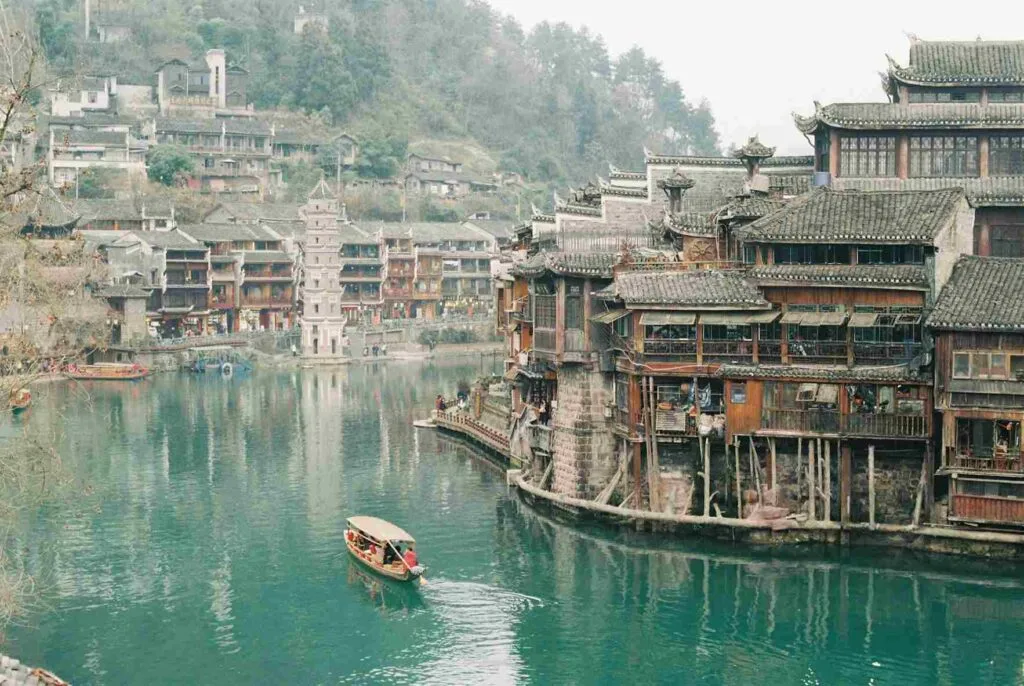
Why Visit: Xi’an served as capital to 13 dynasties and marks the starting point of the legendary Silk Road. This historic city is home to one of the world’s greatest archaeological discoveries.
Must-See Attractions
Terracotta Army
Discovered in 1974, this archaeological marvel features over 8,000 life-sized terracotta soldiers, horses, and chariots created to guard Emperor Qin Shi Huang in the afterlife. Each statue has unique facial features—no two are exactly alike. This is consistently rated as one of the world’s most impressive historical sites.
Ancient City Wall
One of China’s best-preserved city walls spans 14 kilometers around the old city. Rent a bicycle and cycle the complete circuit for unique views—the journey takes 2-3 hours and offers a fantastic perspective on Xi’an’s layout.
Muslim Quarter
This vibrant neighborhood pulses with energy as vendors sell traditional snacks, spices, and handicrafts along narrow streets. Don’t miss the Great Mosque, one of China’s oldest and largest, blending Chinese and Islamic architectural styles.
Big Wild Goose Pagoda
This 7th-century Buddhist structure stands 64 meters tall and houses sacred texts brought from India. The surrounding plaza features impressive musical fountain shows in the evening.
Bell and Drum Towers
These twin towers once marked time in ancient Xi’an. Climb to the top for panoramic views of the old city and attend the traditional drum performances held several times daily.
Practical Information
Best Time to Visit: Spring (April-May) and autumn (September-October)
Recommended Duration: 2-3 days
Getting There: Xi’an Xianyang International Airport; high-speed trains from Beijing (4.5 hours) and Shanghai (6 hours)
Local Food Highlights: Try biang biang noodles (famous for having the most complex Chinese character), roujiamo (Chinese hamburger), and yangrou paomo (lamb soup with bread chunks).
Guilin & Yangshuo – China’s Natural Masterpiece
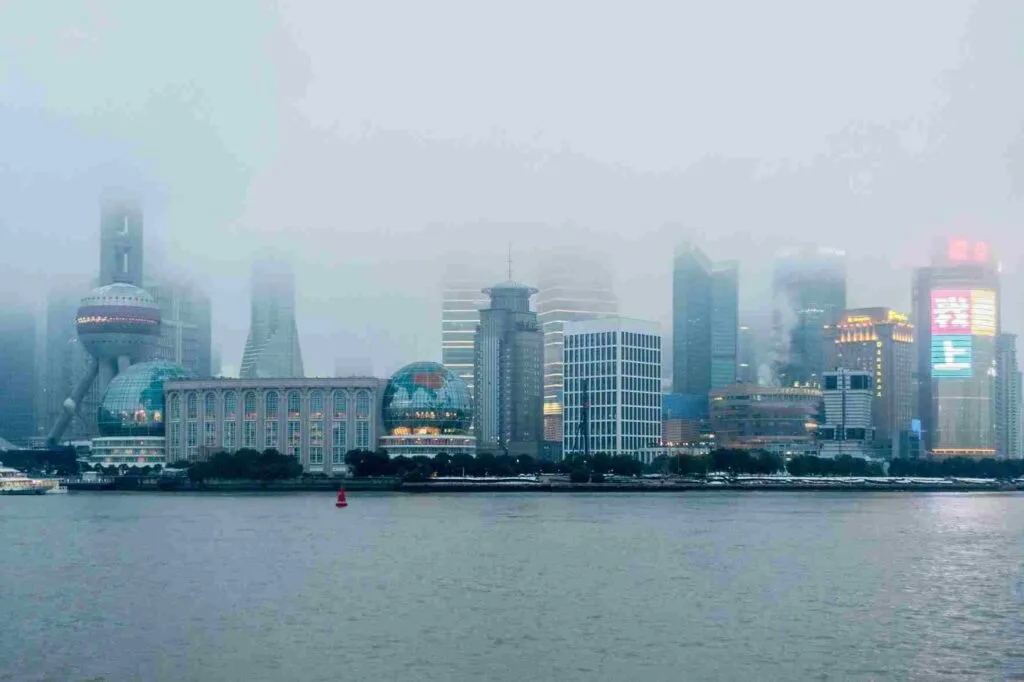
Why Visit: Guilin’s otherworldly landscape of limestone karst peaks rising from mist-covered valleys has inspired Chinese poets and painters for centuries. This region offers China’s most stunning natural scenery.
Must-See Attractions
Li River Cruise
The absolute highlight of any Guilin visit, this scenic cruise from Guilin to Yangshuo passes through 83 kilometers of spectacular karst formations. The landscape is so iconic it appears on China’s 20-yuan note. The 4-5 hour journey feels like gliding through a traditional Chinese painting.
Yangshuo
This laid-back town surrounded by dramatic limestone peaks is perfect for cycling through rice paddies and traditional villages. West Street offers international dining and lively nightlife, while the countryside provides peaceful rural experiences.
Reed Flute Cave
This natural limestone cave extends 240 meters and features colorful illuminations highlighting spectacular stalactites and stalagmites formed over 180 million years. The cave has been a tourist attraction for over 1,200 years.
Longji Rice Terraces
Located two hours from Guilin, these ancient terraced fields cascade down mountains like giant stairways. Visit in May-June when fields are flooded and reflect the sky, or September-October during golden harvest season.
Bamboo Rafting on Yulong River
Float down this peaceful river on a traditional bamboo raft for an intimate journey through stunning countryside. This is more relaxed than the Li River cruise and allows you to truly absorb the landscape.
Practical Information
Best Time to Visit: April-October (warm weather), though expect summer crowds
Recommended Duration: 3-5 days
Getting There: Guilin Liangjiang International Airport; high-speed trains connect to major cities
Activities: Rock climbing, hiking, cycling, and cormorant fishing demonstrations
Photography Tip: The best light for photos is early morning when mist shrouds the karst peaks, creating an ethereal atmosphere.
Chengdu – Home of Giant Pandas
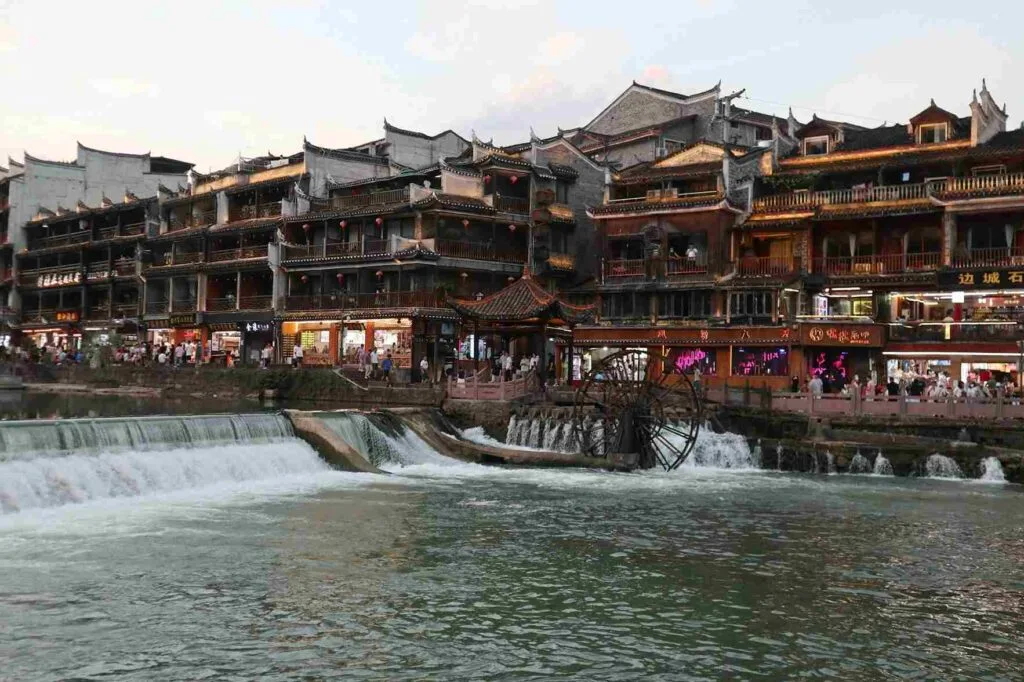
Why Visit: Chengdu combines a laid-back lifestyle with incredible natural surroundings and offers the best opportunity in the world to see giant pandas. The city is also famous for mind-blowingly spicy Sichuan cuisine.
Must-See Attractions
Chengdu Research Base of Giant Panda Breeding
Visit early morning (7:30-8:30 AM) when pandas are most active during feeding time. The facility houses over 80 giant pandas in environments mimicking their natural habitat. You’ll also see red pandas and learn about conservation efforts. This is an absolute must-do—seeing these endangered animals in person is unforgettable.
Jinli Ancient Street
This beautifully restored street recreates a Qing Dynasty atmosphere with traditional architecture, local snacks, tea houses, and handicraft shops. Visit in the evening when red lanterns illuminate the scene.
Wuhou Temple
Dedicated to Zhuge Liang, this temple complex honors the Three Kingdoms period with beautiful gardens, historic buildings, and ancient artifacts that bring Chinese history to life.
People’s Park
Experience authentic local culture by watching elderly residents play mahjong, practice calligraphy, or enjoy traditional tea ceremonies at outdoor teahouses. Have your ears cleaned by a professional ear-cleaner for a uniquely Chinese experience.
Leshan Giant Buddha (Day Trip)
The world’s largest stone Buddha statue, carved into a cliff face in 713 AD, stands 71 meters tall. Take a boat tour for the best views of this UNESCO World Heritage site, located about 2 hours from Chengdu.
Practical Information
Best Time to Visit: March-June and September-November
Recommended Duration: 2-3 days (4-5 if including Leshan)
Getting There: Chengdu Shuangliu International Airport; extensive high-speed rail connections
Must-Try Food: Sichuan hotpot (prepare for serious spice!), mapo tofu, dan dan noodles, and kung pao chicken all originated here. The numbing sensation from Sichuan peppercorns is addictive. Balance the heat with sweet Sichuan-style milk tea.
Cultural Note: Chengdu is known for its relaxed pace of life. Embrace the local philosophy of taking it easy—enjoy long meals, linger in tea houses, and don’t rush.
Planning Your China Trip
Suggested Itineraries
1 Week Classic Tour
- Days 1-3: Beijing (Great Wall, Forbidden City, Temple of Heaven)
- Day 4: Xi’an (Terracotta Army, City Wall)
- Days 5-7: Shanghai (Bund, Yu Garden, French Concession)
10 Days Culture & Nature
- Days 1-3: Beijing
- Days 4-5: Xi’an
- Days 6-8: Guilin/Yangshuo
- Days 9-10: Shanghai
2 Weeks Grand Tour
- Days 1-3: Beijing
- Days 4-5: Xi’an
- Days 6-7: Chengdu
- Days 8-10: Guilin/Yangshuo
- Days 11-14: Shanghai
Essential Travel Tips
Visa Requirements
Most nationalities require a visa to enter China. Some cities now offer 144-240 hour visa-free transit for specific nationalities. Apply at Chinese embassies 1-2 months before travel.
Best Seasons
- Spring (March-May): Ideal weather, blooming flowers
- Autumn (September-November): Perfect temperatures, fall colors, best overall season
- Summer (June-August): Hot and crowded but necessary for some regions
- Winter (December-February): Cold but fewer crowds and lower prices
Getting Around
- High-Speed Trains: Efficient and comfortable; book through Trip.com or 12306.cn
- Domestic Flights: Budget airlines connect major cities affordably
- Metro Systems: Available in all five cities with English signage
- Didi (Ride-Sharing): China’s version of Uber, very convenient
Money Matters
- Currency: Chinese Yuan (CNY/RMB)
- China is largely cashless—WeChat Pay and Alipay dominate
- Carry some cash (¥500-1,000) for small vendors
- Credit cards work at upscale hotels and restaurants but aren’t widely accepted
Internet and Communication
- Download a VPN before arrival (Google, Facebook, Instagram, WhatsApp are blocked)
- Purchase a local SIM card at airports for affordable data
- WiFi available at hotels and cafes
Language
- English isn’t widely spoken outside tourist areas
- Download offline translation apps (Google Translate, Pleco)
- Learn basic phrases:
- Hello: Nǐ hǎo (你好)
- Thank you: Xièxie (谢谢)
- How much?: Duōshao qián? (多少钱?)
- Where is…?: …zài nǎlǐ? (…在哪里?)
Cultural Etiquette
- Remove shoes when entering homes
- Use both hands when giving or receiving items
- Don’t tip (not customary in China)
- Avoid pointing with one finger; use an open hand
- Slurping noodles is acceptable
- Don’t stick chopsticks upright in rice (funeral association)
Budget Guidelines (Per Day)
Budget Travelers: $35-85
- Accommodation: $10-30
- Food: $10-20
- Transportation: $5-15
- Attractions: $10-20
Mid-Range Travelers: $100-220
- Accommodation: $40-100
- Food: $25-50
- Transportation: $15-30
- Attractions: $20-40
Luxury Travelers: $300+
- Accommodation: $150+
- Food: $60+
- Transportation: $40+
- Attractions: $50+
Packing Essentials
- Universal power adapter (220V, Type A/C/I plugs)
- VPN subscription
- Comfortable walking shoes (you’ll walk A LOT)
- Layers for temperature changes
- Portable charger
- Small pack of tissues (public restrooms often lack toilet paper)
- Hand sanitizer
- Photocopies of passport and visa
Final Thoughts
These five destinations represent the essence of China—from imperial history in Beijing and Xi’an to modern innovation in Shanghai, natural wonders in Guilin, and wildlife encounters in Chengdu. While China has countless other amazing places to explore, mastering these five will give you a comprehensive understanding of this fascinating country.
The key to enjoying China is planning ahead while staying flexible. Book major attractions in advance, but leave room for unexpected discoveries. Embrace the cultural differences, try unfamiliar foods, and engage with locals whenever possible. The language barrier might seem daunting, but Chinese people are generally warm and helpful to tourists.
With improved infrastructure, expanding visa-free policies, and increasing English signage, traveling through China has never been more accessible. Whether you’re marveling at 2,000-year-old terracotta warriors, cruising through misty karst landscapes, or watching giant pandas munch bamboo, China promises experiences you’ll treasure forever.
Start planning your Chinese adventure today—these five incredible destinations are waiting to amaze you!
Frequently Asked Questions
How many days do I need to visit these 5 places?
Minimum 10-12 days for a quick overview. Two weeks allows a comfortable pace. Three weeks enables deeper exploration with day trips and more flexibility.
Is it difficult to travel between these cities?
No, China’s high-speed rail network makes intercity travel easy and comfortable. Beijing to Xi’an takes 4.5 hours, Xi’an to Chengdu 3 hours, and Chengdu to Guilin requires a flight (3 hours).
Do I need to speak Chinese?
Helpful but not essential in major cities. Translation apps work well. Major attractions have English signage. Learning basic phrases enhances your experience and earns smiles from locals.
Is China safe for solo travelers?
Very safe. Violent crime against tourists is rare. Solo female travelers report feeling secure. Use common sense in crowded areas and guard against pickpockets in busy tourist zones.
What’s the best order to visit these cities?
North to South works well: Beijing → Xi’an → Chengdu → Guilin → Shanghai. This follows logical train routes and ends in Shanghai for international departures.
Can I use my credit card in China?
Visa and Mastercard work at upscale hotels and some restaurants, but acceptance is limited. Carry cash and consider setting up mobile payment if possible.
When should I avoid visiting?
Chinese New Year (late January/February) and Golden Week (first week of October) bring massive crowds and price increases. Book well in advance or avoid these periods entirely.
Do these cities have English signage?
Major attractions and metro systems have English signage. Smaller restaurants and local areas may not. Having a translation app is essential.
Is the air quality a concern?
Beijing and Xi’an can have poor air quality, especially in winter. Check AQI levels before traveling. Guilin, Chengdu, and Shanghai generally have better air quality.Should I book tours or travel independently?
Major cities are easy to navigate independently with metro systems and translation apps. Consider guided tours for the Great Wall, Terracotta Army, and Li River cruise for richer historical context and logistical ease.

